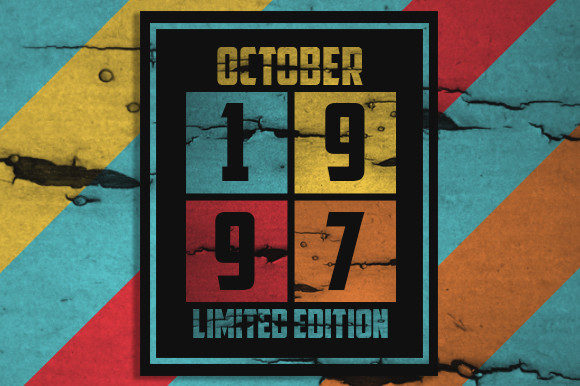
Retro September 1997 Limited Edition
As a designer and embroidery product reviewer, I’ve seen my fair share of digital files. But when I came across the Retro September 1997 Limited Edition, it immediately caught my attention. This isn’t just another design—it’s a nostalgic nod to a specific era, with a visual language that feels both authentic and versatile. Whether you’re working on custom apparel, handmade gifts, or small business merchandise, this design has potential. But like any good project, it requires careful consideration before use.
The First Impression: Nostalgia Meets Simplicity
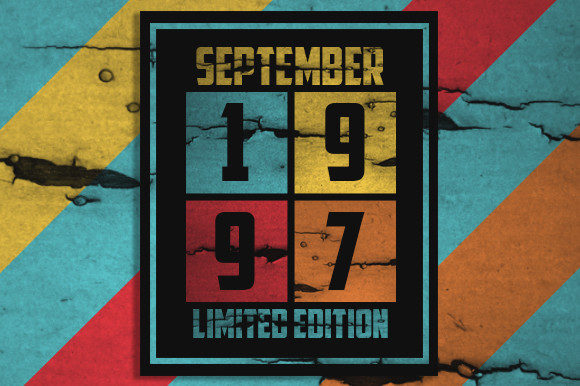
The Retro September 1997 Limited Edition immediately evokes a sense of vintage charm. The layout is clean, the typography is classic, and the overall aesthetic feels like it could have been pulled from a mid-90s magazine or poster. It’s not overly detailed, which makes it ideal for projects where subtlety matters. The design’s simplicity allows it to stand out without overwhelming the fabric or the final product.
It’s clear that this was designed with intention. The shapes are well-proportioned, and the details—while minimal—are purposeful. This makes it a strong candidate for items like tote bags, sweatshirts, or baby clothes, where clarity and readability are key.
Real-Life Use: Where It Shines
I tested the Retro September 1997 Limited Edition on a few different fabrics and projects. On a cotton tote bag, it looked great—clean, professional, and perfectly sized. It also worked well on a sweatshirt, where the design didn’t get lost in the fabric texture. For baby items, like onesies or blankets, the design felt appropriate and timeless.
This design is particularly suited for personalized gifts. Whether it’s a birthday present, a holiday gift, or a wedding favor, the retro feel adds a unique touch that stands out. It also pairs well with other vintage-themed designs, making it a valuable addition to an embroidery library.
Where to Be Cautious: Design Limitations
While the Retro September 1997 Limited Edition is visually appealing, it’s not a one-size-fits-all solution. If you’re working with small hoop sizes, this design might be too large to fit comfortably. Similarly, on textured or stretchy fabrics, the detail might not show as clearly as intended.
Thin or dark fabrics can also pose challenges. The transparent background of the PNG file means that the design’s contrast depends heavily on the fabric color. If you’re using it on a dark background, make sure the thread colors provide enough contrast. On light fabrics, the design will likely look great, but on darker ones, you may need to adjust your thread choices.
For curved surfaces like caps or hats, the design might require some adjustment to ensure it sits correctly. Also, if the design includes tiny lettering or intricate corners, you’ll want to test it on scrap fabric first to ensure the stitch density is sufficient.
Impact on Visual Appeal and Customer Perception
The Retro September 1997 Limited Edition has a strong visual presence. When stitched properly, it adds a sense of authenticity and craftsmanship to any finished product. This can be especially valuable for small business owners or Etsy sellers looking to differentiate their offerings.
Customers often respond positively to vintage-inspired designs. They feel nostalgic, personal, and unique. This can increase the perceived value of your handmade products or custom apparel. However, it’s important to ensure that the design aligns with your brand’s identity and target audience.
For commercial embroidery projects, this design can be a reliable asset. Its clean lines and balanced composition make it easy to incorporate into larger collections or seasonal themes. It also works well in printable mockups, allowing you to showcase the design effectively in your listings or promotional materials.
Practical Designer Notes: What to Check Before Using
Before committing to the Retro September 1997 Limited Edition, there are several practical steps to take. First, always test the design on scrap fabric. This helps you understand how the stitches will look and whether the design needs any adjustments.
Check the thread color contrast, especially if you plan to use it on dark or light backgrounds. Review the stitch density to ensure it’s suitable for your project. Confirm the hoop size required and make sure it fits your machine’s capabilities.
Inspect small details closely. If the design includes delicate elements, such as tiny lettering or intricate patterns, make sure they’ll hold up under stitching. Test the design in black and white mockups to see how it looks without color. Compare it on both light and dark fabrics to determine the best application.
Use proper stabilizer to prevent puckering or distortion, especially on stretchy or thin fabrics. Confirm that the design is suitable for both personal and commercial use, and check the licensing terms before selling finished items or digital products.
Final Thoughts: A Thoughtful Addition to Your Collection
The Retro September 1997 Limited Edition is a design that requires thoughtful application. It’s not just about the visual appeal—it’s about how it performs in real-world embroidery situations. With the right approach, it can elevate your craft business, add depth to your product offerings, and create meaningful connections with your customers.
Whether you’re an experienced embroiderer or just starting out, this design offers a blend of nostalgia and practicality. Just remember to test, adapt, and consider the context in which you’ll use it. That way, you can ensure that the Retro September 1997 Limited Edition becomes a valuable part of your embroidery project arsenal.