Retro September 1969 Limited Edition
As a designer and embroidery product reviewer, I’ve seen my fair share of digital files that promise a lot but deliver little. The Retro September 1969 Limited Edition is one that caught my attention for its nostalgic vibe and potential in real-world projects. Let’s break down what this design offers and how it might fit into your creative workflow.
The First Impression
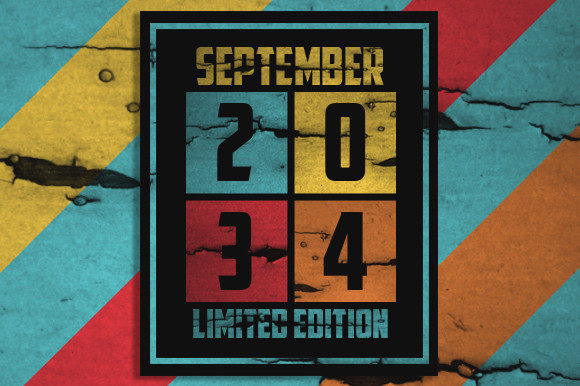
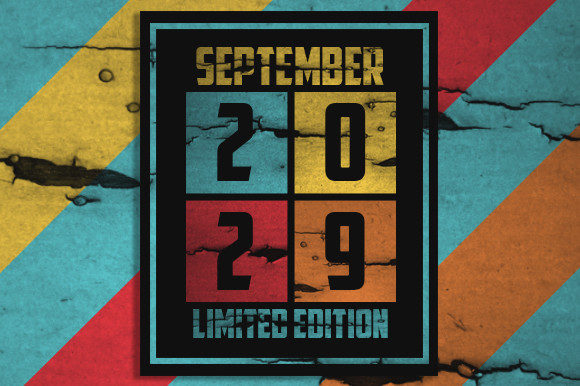
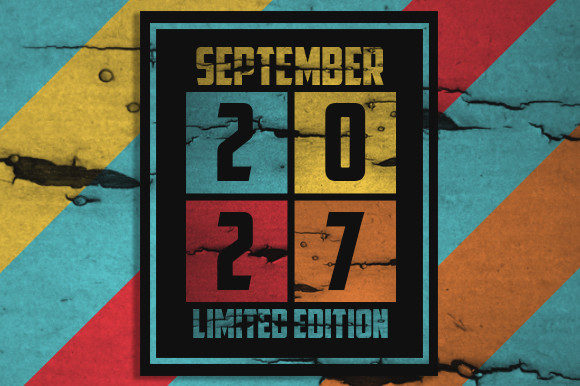
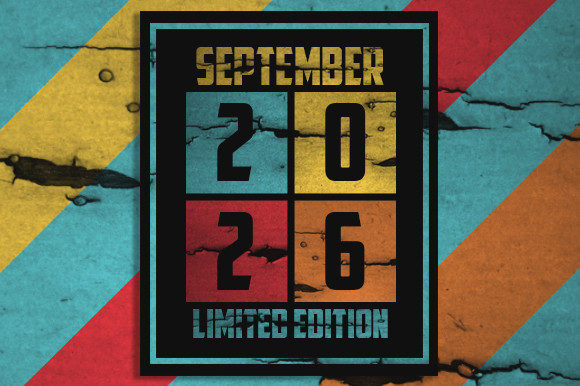
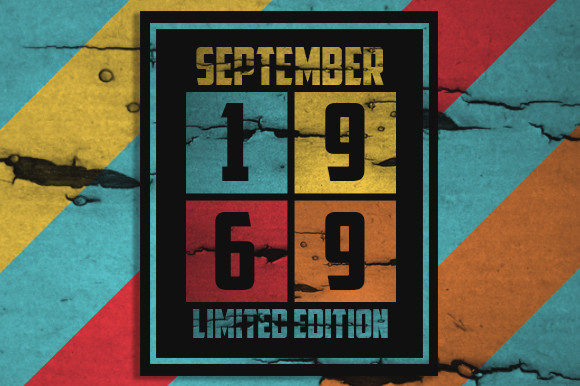
From the moment I opened the .zip file, the Retro September 1969 Limited Edition felt like a piece of history. The design has a classic, vintage aesthetic that evokes a sense of nostalgia—perfect for those who love mid-20th-century aesthetics. The layout is clean, with a bold, retro font that commands attention without overwhelming the space. The details are subtle but effective, making it suitable for both large and small embroidery projects.
This design feels like it belongs on a custom tote bag, a sweatshirt, or even a baby onesie. Its simplicity makes it versatile, while its visual personality adds character to any project. Whether you're creating handmade products for an Etsy shop or designing for a boutique brand, this file has the potential to stand out.
Real-Life Embroidery Use Cases
I tested the Retro September 1969 Limited Edition on several fabrics to see how it performed. On a standard cotton tote bag, the design looked sharp and well-proportioned. The stitch density was just right, allowing the design to pop without being too dense or too sparse. It worked well on both light and dark backgrounds, though I noticed that on darker fabrics, the thread color contrast needed to be more pronounced for maximum visibility.
On a sweatshirt, the design held up nicely, especially when using a proper stabilizer. The corners of the letters were crisp, and the overall look was professional. For baby items, the design was appropriate, though I would recommend using a soft fabric and a gentle stitch setting to avoid any discomfort for the child.
When applied to a cap, the design required careful placement due to the curved surface. It didn’t distort much, but I’d suggest using a smaller hoop size if possible. For patches, the design translated well, especially when using an applique technique. The satin stitches gave it a polished look, and the fill stitches added depth without looking too busy.
Where to Be Cautious
While the Retro September 1969 Limited Edition is a strong design, there are a few areas where it might not perform as well. On textured or stretchy fabrics, the design can lose some of its clarity. Thin or dark fabrics may also require adjustments in thread color or stitch density to ensure the design stands out.
For projects that involve frequent washing, I recommend testing the design on a scrap fabric first. The stitch density is adequate, but if the design is used on a high-traffic item like a kitchen towel or apron, it may need additional reinforcement. Tiny lettering or intricate details could also be a challenge on very small hoop sizes, so make sure to check your machine’s capabilities before starting.
Impact on Visual Appeal and Customer Perception
The Retro September 1969 Limited Edition has a strong visual appeal that can elevate any finished product. Its vintage look gives it a unique edge that can attract customers looking for something different. When used on custom apparel or personalized gifts, it adds a touch of sophistication and individuality.
For small business owners and Etsy sellers, this design can help build brand consistency. It’s perfect for holiday or wedding gifts, where the nostalgic theme can resonate with buyers. The design also works well in printable mockups, giving customers a clear idea of how the final product will look before they place an order.
When used in commercial embroidery projects, the Retro September 1969 Limited Edition can enhance the professionalism of your work. It’s a great choice for boutique branding or craft fair products, where visual appeal and quality are key factors in customer engagement.
Practical Designer Notes
Before using the Retro September 1969 Limited Edition in a project, I recommend testing it on scrap fabric. This will help you assess how it looks on different materials and adjust your settings accordingly. Check the thread color contrast, especially on dark fabrics, and review the stitch density to ensure it meets your standards.
Confirm the hoop size required for the design and make sure your machine can handle it. Inspect the small details closely, as even minor imperfections can affect the final outcome. Test the design in black and white mockups to see how it translates without color, and compare it against both light and dark fabric backgrounds.
Use the proper stabilizer for your chosen fabric type, and always double-check the licensing terms before selling finished items or digital products. If you’re using this design for a craft business or small shop, make sure it aligns with your brand’s style and values.
Final Thoughts
The Retro September 1969 Limited Edition is a solid choice for designers and embroiderers looking for a vintage-inspired design that works across multiple projects. Its clean layout, strong visual identity, and versatility make it a valuable addition to any embroidery file library.
Whether you’re creating handmade products for an Etsy shop, designing for a small business, or working on personal projects, this design has the potential to add value and appeal. Just remember to test it thoroughly and consider the specific requirements of your project before finalizing the design.