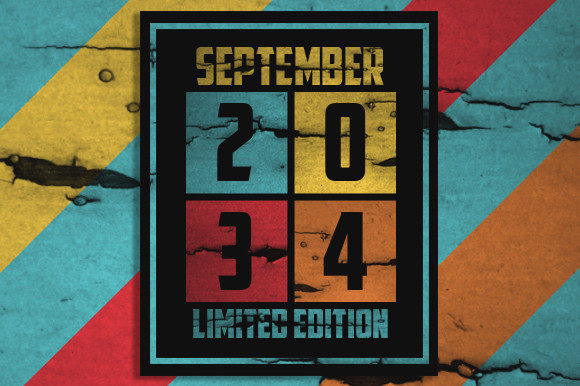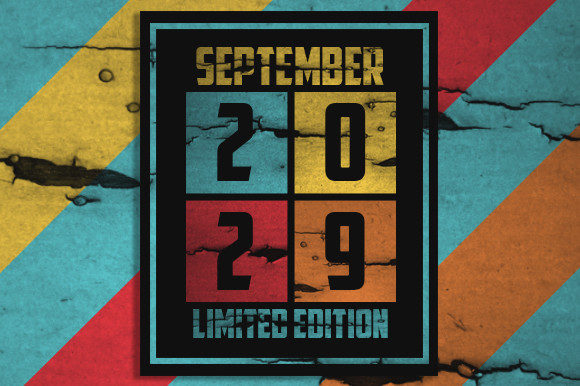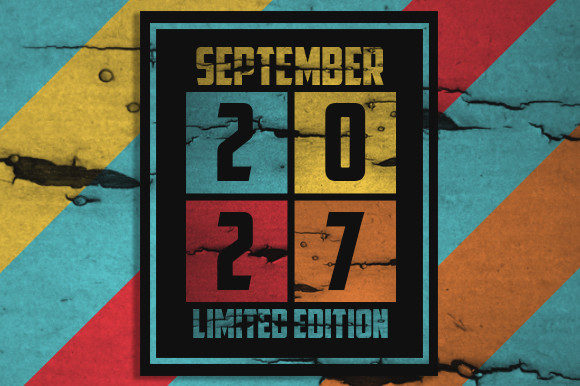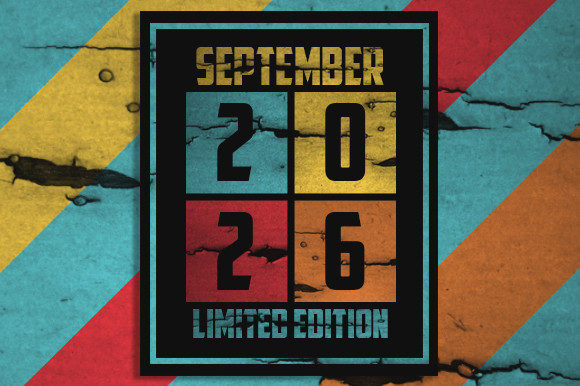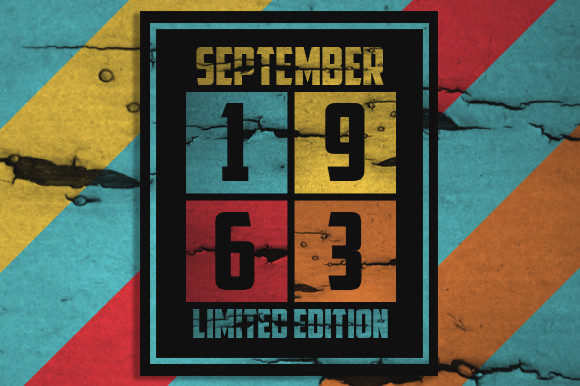
Retro September 1963 Limited Edition
First Impressions: A Nostalgic Design with Character
The Retro September 1963 Limited Edition immediately evokes a sense of vintage charm. The design feels like a piece of history, with its bold typography and retro aesthetic that screams mid-20th century. The layout is clean but expressive, with a strong visual personality that makes it stand out. It’s the kind of design that could easily become a signature element in a handmade product or a custom apparel project.
The level of detail is impressive for a digital file, especially considering it’s a PNG with a transparent background. It has a timeless quality that suggests it would work well on a variety of surfaces, from tote bags to baby onesies. The mood it creates is warm and inviting, perfect for projects that aim to evoke nostalgia or a sense of authenticity.
Real-Life Use Cases: Where This Design Thrives
As an embroidery designer, I see the Retro September 1963 Limited Edition fitting naturally into custom apparel projects, particularly sweatshirts and t-shirts. Its size and shape make it ideal for larger embroidery areas, such as the front of a hoodie or the back of a cap. It also has potential for use on aprons, pillow covers, and even kitchen towels, where a bold, recognizable design can add character to everyday items.
This design could be a great addition to a small shop product line or an Etsy listing. It has the visual appeal needed to catch a customer’s eye, and its retro theme could resonate with buyers looking for unique, handmade gifts. Whether it’s used on a personalized gift or a boutique product, the design adds a touch of sophistication without being overwhelming.
For craft businesses, this could serve as a key design asset. It’s versatile enough to be adapted into printable mockups, digital product previews, or even as part of a larger collection. Its high-resolution format ensures that it looks sharp when scaled up or down, making it suitable for both commercial and personal use.
Where to Be Cautious: Potential Limitations
While the Retro September 1963 Limited Edition is visually striking, there are some situations where it may not perform as well. On smaller hoop sizes, the design might feel cramped or lose some of its detail. This could be an issue for projects that require intricate stitching, such as embroidered patches or small applique designs.
Textured fabrics, thin materials, or stretchy garments may also present challenges. The design’s stitch density and complexity could cause issues if not properly stabilized. Dark fabrics may require careful thread color selection to ensure visibility, and curved surfaces like caps may need extra attention to maintain alignment and clarity.
Additionally, the design’s detailed corners and tiny lettering could be problematic on certain fabrics or when using specific stitch types like running stitch. It’s important to test the design on scrap fabric before committing to a finished product, especially if it’s intended for commercial use.
Impact on Visual Appeal and Customer Perception
The Retro September 1963 Limited Edition has the potential to significantly enhance the visual appeal of any embroidery project. Its bold lines and nostalgic style can elevate a simple tote bag or sweatshirt into something truly special. When executed well, it can increase the perceived value of a handmade product and create a stronger emotional connection with customers.
From a branding perspective, this design could help establish a consistent look across a range of products. It’s ideal for small business owners or Etsy sellers looking to build a cohesive aesthetic. Its recognition factor is strong, which can lead to better buyer engagement and repeat purchases.
As a personalized gift, the design adds a unique touch that can make a product feel more meaningful. Whether it’s used on a holiday gift, a wedding present, or a custom item for a client, it has the potential to create a lasting impression.
Practical Designer Notes: Testing and Preparation
Before using the Retro September 1963 Limited Edition in a real project, I recommend testing it on scrap fabric. This will help you understand how it translates to different materials and identify any potential issues early on. Check the thread color contrast to ensure it stands out on the intended fabric, and review the stitch density to avoid overworking the design.
Confirm the hoop size required for your machine and inspect the design for any small details that might be lost during stitching. Test it in black and white mockups to see how it looks without color, and compare it on light and dark backgrounds to determine the best fit.
Using the right stabilizer is crucial, especially for delicate or stretchy fabrics. Make sure the design works for both personal and commercial projects, and always confirm licensing terms before selling finished items or digital products. These steps will help ensure that the final result meets your expectations and delivers a professional finish.
Final Thoughts: A Versatile and Nostalgic Design
The Retro September 1963 Limited Edition is a design that brings a sense of history and character to any embroidery project. It’s well-suited for custom apparel, handmade products, and small business merchandise, offering both visual appeal and practicality. While it requires careful consideration in certain applications, its overall quality and versatility make it a valuable addition to any designer’s toolkit.
Whether you’re an experienced embroiderer or just starting out, this design has the potential to enhance your work and attract a wider audience. With proper preparation and attention to detail, it can become a standout element in your creative projects and a trusted asset for your craft business.