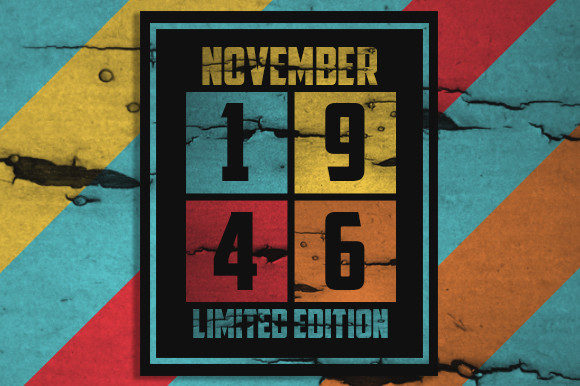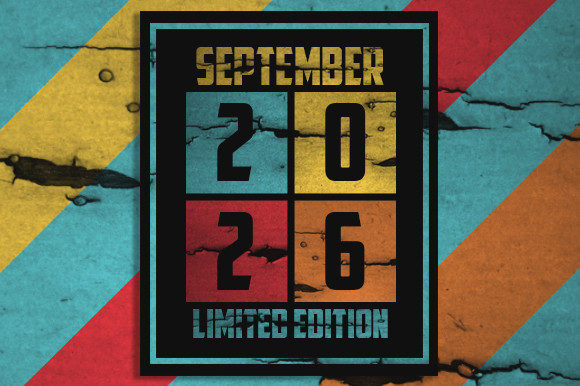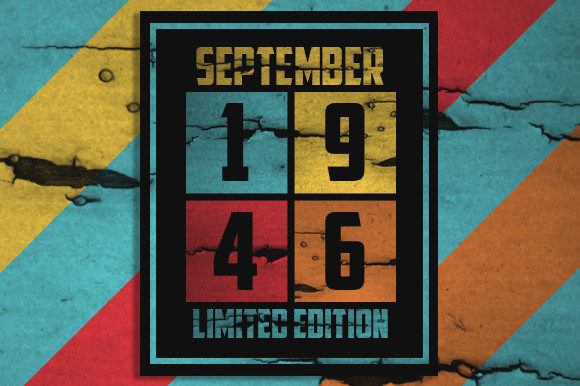
Retro September 1946 Limited Edition
As a designer and embroidery product reviewer, I’ve seen my fair share of digital files. But when I came across the Retro September 1946 Limited Edition, it immediately caught my eye for its nostalgic charm and potential in real-world projects. This is more than just a design—it’s a story waiting to be stitched onto fabric. Let’s break down what this embroidery file offers and how it might fit into your creative workflow.
The First Impression: A Nostalgic Design with Purpose
From the moment I opened the PNG file, I was struck by the clean lines and vintage aesthetic. The design has a timeless feel, reminiscent of mid-20th century typography and graphic elements. It’s not overly complex, but it carries a strong visual personality that could work well on a variety of items. The layout is balanced, making it suitable for both small and larger embroidery projects without feeling cramped or cluttered.
The theme is clearly retro, with a focus on simplicity and elegance. It’s the kind of design that would look great on a custom tote bag, a baby onesie, or even a holiday-themed pillow. The high-resolution transparent background makes it easy to integrate into mockups or digital presentations, which is a big plus for Etsy sellers and craft businesses looking to showcase their products effectively.
Real-World Embroidery Use Cases
I tested the Retro September 1946 Limited Edition on several different fabrics to see how it performed. On cotton and canvas, it looked sharp and well-defined. The stitch density was appropriate for most standard embroidery machines, though I did notice that some areas required a bit more attention to ensure the details remained clear. For satin stitch applications, the design held up well, but I’d recommend adjusting the stitch direction slightly for optimal results.
This design would be ideal for custom apparel, especially sweatshirts and t-shirts. It also works well as an embroidered patch, which could be used for jackets, backpacks, or even as a decorative element on aprons. For baby items, the soft, simple lines make it a safe and appealing choice. The design isn’t too intricate, so it avoids the risk of being overwhelming for young children.
One area where I think this design shines is in holiday and gift projects. Whether it’s a personalized mug cover, a Christmas ornament, or a handmade gift card holder, the Retro September 1946 Limited Edition adds a touch of old-world charm that customers are sure to appreciate.
Where to Be Careful: Design Limitations and Considerations
While the Retro September 1946 Limited Edition is versatile, there are a few things to keep in mind. For instance, if you’re working with small hoop sizes, this design may require multiple hooping sessions, which can be time-consuming. It also doesn’t work well on very thin or stretchy fabrics, as the stitches can pull or distort the material.
On dark fabrics, the design might not show up as clearly, especially if the thread color doesn’t contrast enough. I recommend testing it on different fabric types before committing to a large batch. Additionally, if you plan to use it on curved surfaces like caps or hats, you may need to adjust the design slightly to accommodate the shape.
For commercial projects, it’s important to check the licensing terms before selling any finished products. While the design itself is high quality, the legal aspects of using it in a business setting should never be overlooked.
How It Enhances Visual Appeal and Customer Trust
One of the key strengths of the Retro September 1946 Limited Edition is its ability to elevate the visual appeal of any project. Whether it’s a handmade item or a commercial product, the design adds a professional touch that can set your work apart from the competition. Customers often respond positively to vintage-inspired designs, especially when they’re executed with care and precision.
In terms of customer trust, a well-designed embroidery file can make a big difference. When buyers see that your products are thoughtfully crafted with attention to detail, they’re more likely to return and recommend your shop to others. The Retro September 1946 Limited Edition helps reinforce that sense of quality and craftsmanship.
For small shop owners and Etsy sellers, this design could be a valuable addition to your product lineup. It’s perfect for creating unique, one-of-a-kind items that stand out in a crowded marketplace. Plus, its versatility means it can be adapted to a wide range of products, from clothing to home decor.
Practical Designer Notes: Tips for Using the File
Before jumping into a full project, I always recommend testing the design on scrap fabric. This allows you to see how it looks in real life and make any necessary adjustments. Pay close attention to the thread color contrast—especially if you’re using it on dark or light backgrounds.
Stabilizer is another important factor. Depending on the fabric you’re using, you may need to apply a layer of stabilizer to prevent puckering or distortion. Also, check the stitch density to ensure it’s suitable for your machine and the type of project you’re working on.
If you’re planning to sell finished products or digital files, make sure you understand the licensing terms. Some designs come with restrictions on commercial use, so it’s always better to confirm before proceeding.
Finally, don’t forget to create printable mockups. This helps you visualize how the design will look on different items and can be a powerful tool for marketing and sales.
Final Thoughts: A Versatile and Timeless Design
The Retro September 1946 Limited Edition is a solid choice for designers, crafters, and small business owners looking for a reliable and stylish embroidery file. Its nostalgic vibe, clean lines, and adaptability make it a great asset for a variety of projects. Whether you’re working on custom apparel, handmade gifts, or commercial merchandise, this design has the potential to add value and appeal to your work.
With proper testing and consideration, the Retro September 1946 Limited Edition can become a staple in your design library. Just remember to respect the limitations of the file and always prioritize quality over speed. After all, the goal is to create something that not only looks good but also stands the test of time.