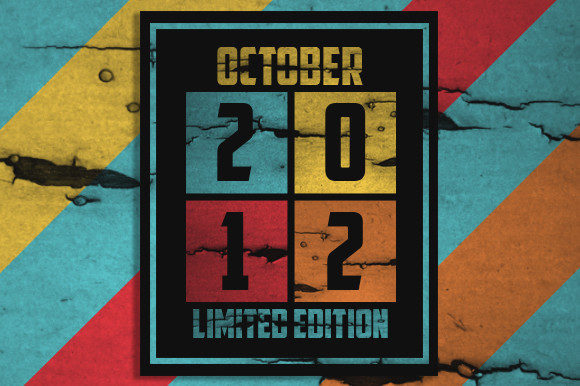
Retro October 2012 Limited Edition
As a designer with years of experience in embroidery and digital graphics, I’ve seen my fair share of designs that look great on a screen but fall flat when stitched. The Retro October 2012 Limited Edition is one that caught my eye for its nostalgic vibe and clean aesthetic. It’s a digital file designed for embroidery, but its potential goes beyond just being a pretty image. Let’s break it down from a practical perspective.
The First Impression: Nostalgia Meets Simplicity
The Retro October 2012 Limited Edition has a vintage feel that’s hard to pin down exactly. It leans into the aesthetics of the early 2000s—think bold typography, subtle gradients, and a muted color palette that feels timeless. The layout is balanced, with a central graphic that’s not too busy but still has enough detail to make an impact. This makes it ideal for projects where you want to evoke a sense of nostalgia without overwhelming the viewer.
The design’s simplicity is its strength. It’s not overly complex, which means it can work well on a variety of fabrics and garment types. Whether you’re stitching a tote bag, a sweatshirt, or a baby onesie, the design maintains its integrity without needing excessive embellishment.
Real-World Embroidery Performance
When I first saw the Retro October 2012 Limited Edition, I thought about how it would translate onto fabric. The design is clean, which is great for machine embroidery. It doesn’t have too many tiny details that could get lost during the stitching process. That said, it’s not a design that would thrive in extremely small hoop sizes. If you’re working on a cap or a patch, you’ll need to ensure your hoop is large enough to accommodate the full design without cutting off any elements.
The design also benefits from proper stabilizer use, especially on stretchy or thin fabrics. Without it, the stitches might pucker or distort, which can ruin the final look. I’d recommend testing it on scrap fabric before committing to a client project or a handmade product.
Where to Use It—and Where to Be Cautious
This design works best on smooth, stable fabrics like cotton, canvas, or denim. It’s perfect for custom apparel, such as a tote bag design or a sweatshirt embroidery. It also has the right balance of detail for baby items, like onesies or blankets, where clarity and simplicity are key.
However, there are a few areas where caution is needed. The design may not be ideal for dark fabrics unless you adjust the thread colors accordingly. If you’re using it on a black shirt, for example, you might need to choose a contrasting thread to make the design stand out. Also, if you're planning to use it on a layered garment or something with a curved surface, like a cap, you’ll need to ensure the design is properly adjusted for those shapes.
Another thing to consider is stitch density. While the design isn’t overly dense, it still requires careful attention to ensure that the fill stitches don’t become too thick or cause the fabric to pucker. This is especially important if you’re working on a delicate or textured fabric.
How It Enhances Visual Appeal and Value
One of the things I appreciate most about the Retro October 2012 Limited Edition is how it adds value to a finished product. It’s not just a decorative element—it tells a story. That makes it a strong choice for personalized gifts, holiday embroidery, or even commercial embroidery projects where branding and consistency matter.
From a customer standpoint, this design is likely to be well-received. It’s visually appealing, easy to recognize, and has a timeless quality that makes it suitable for a wide range of occasions. Whether it’s used on a wedding gift, a boutique product, or a craft fair item, it has the potential to catch the eye and spark interest.
Practical Designer Notes
Before jumping into using the Retro October 2012 Limited Edition in a project, here are a few tips I’d recommend:
- Test on scrap fabric: Always do a test run to see how the design looks in real life.
- Check thread color contrast: Make sure the thread color complements the fabric and the design.
- Review stitch density: Ensure the design isn’t too dense for the fabric you’re using.
- Confirm hoop size: Double-check that your hoop is large enough to accommodate the design without cropping.
- Inspect small details: Look closely at corners and edges to make sure nothing gets distorted during stitching.
- Test in black and white mockups: This helps you see how the design will look on different backgrounds.
- Compare light and dark fabric: Ensure the design is visible and effective on both.
- Use proper stabilizer: Especially on stretchy or thin fabrics, stabilizer can make a big difference.
- Confirm licensing: If you’re planning to sell finished items or digital products, check the license terms first.
These steps are essential for ensuring that the Retro October 2012 Limited Edition lives up to its potential in your embroidery projects.
Final Thoughts: A Versatile Design for Creative Entrepreneurs
The Retro October 2012 Limited Edition is a solid choice for designers, small business owners, and crafters looking for a reliable and versatile embroidery design. Its nostalgic appeal, clean layout, and adaptability make it a valuable addition to any creative toolkit.
Whether you're creating a custom apparel piece, a personalized gift, or a small shop product, this design has the potential to elevate your work and attract customers who appreciate thoughtful, well-crafted details. Just remember to approach it with care, test it thoroughly, and make adjustments where necessary.