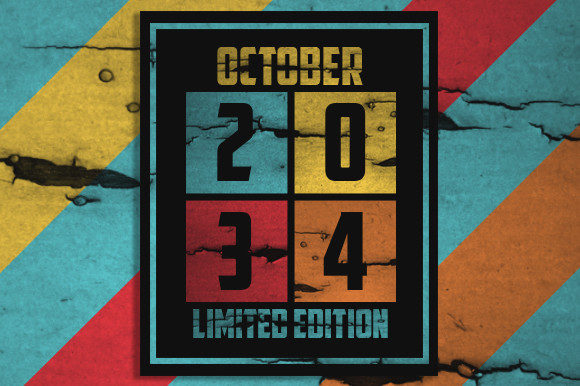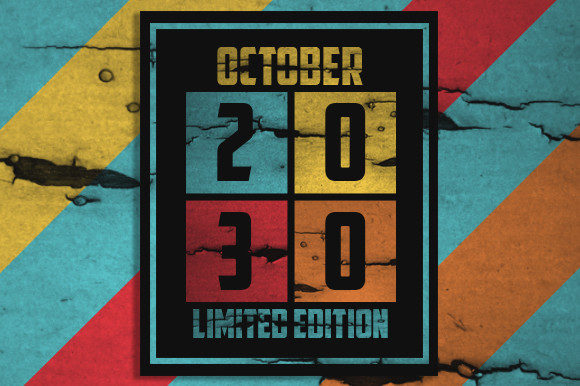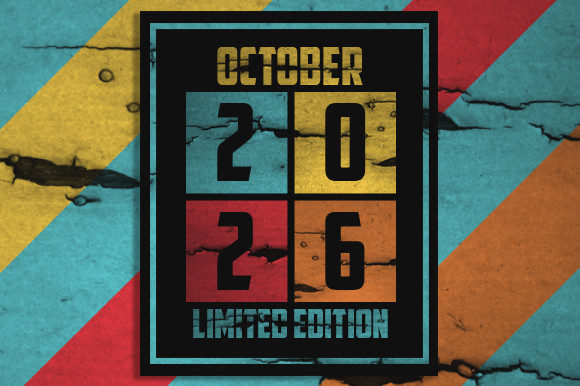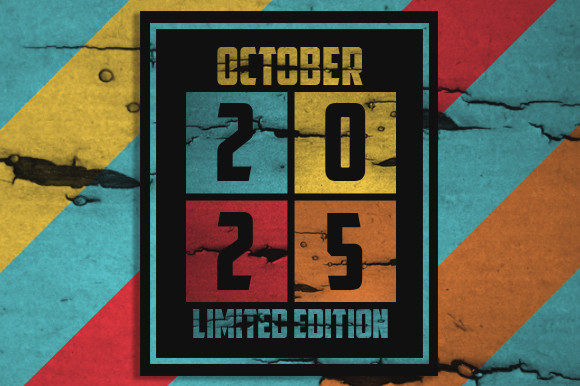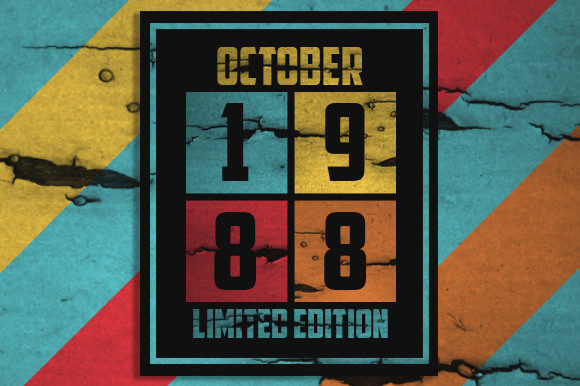
Retro October 1988 Limited Edition
As a designer and embroidery product reviewer, I’ve seen my fair share of digital files. But when I came across the Retro October 1988 Limited Edition, I knew it had potential for real-world use. This design isn’t just a nostalgic nod to the past—it’s a versatile piece that could work well in a variety of embroidery projects, from custom apparel to handmade gifts. Let’s break down what makes this design stand out and where it might fall short.
The First Impression: A Nostalgic Visual Statement
The Retro October 1988 Limited Edition immediately evokes a sense of vintage charm. The design features clean lines, a retro font, and a layout that feels like it belongs on a classic t-shirt or embroidered patch. It has a timeless quality that could work well with both modern and traditional aesthetics. The high-resolution PNG file ensures that details are crisp, making it suitable for close-up embroidery work.
What stands out is the simplicity of the design. It doesn’t try to be too busy, which is a big plus for embroidery. Too many elements can complicate the stitching process and make the final product look cluttered. This design, on the other hand, offers a clear visual identity that can be easily adapted to different fabrics and project types.
Real-World Embroidery Use Cases
When considering where to place this design, there are several practical applications. For instance, a custom tote bag design featuring Retro October 1988 Limited Edition could be a hit at a local craft fair. The design’s size and layout make it ideal for a large hoop, allowing for smooth stitching without too much complexity.
Sweatshirts and t-shirts are also natural fits. The design’s scale works well on standard garment sizes, and its simplicity means it won’t overwhelm the fabric. If you’re looking to create a small shop product or an Etsy listing, this could be a solid choice. It’s also great for personalized gifts, especially for those who appreciate a touch of nostalgia.
For baby items, the design could work as an embroidered onesie or a nursery wall art piece. Its clean lines and retro feel make it a safe bet for a gentle, stylish addition to a child’s space. However, I’d recommend testing it on a small sample first to ensure it looks good on soft, stretchy fabrics.
Where to Be Cautious: Design Limitations
While the Retro October 1988 Limited Edition is versatile, there are some situations where it may not perform as well. Small hoop sizes, for example, could be a challenge. The design’s detail level requires enough space to stitch smoothly, so if you’re working with a compact hoop, you may need to adjust the placement or scale the design accordingly.
Textured or thin fabrics might also pose a problem. The design’s clarity could be lost on rough surfaces, and thin materials may not hold up well under dense stitching. Similarly, stretchy fabrics could cause distortion if the design isn’t properly stabilized. Always use the right stabilizer for the fabric type to maintain the integrity of the embroidery.
Another consideration is dark fabrics. While the design has a transparent background, it may not show up as clearly on darker colors. Testing it on a mockup or using a contrasting thread color could help improve visibility. For layered garments or curved surfaces like caps, the design might require some adjustment to fit the shape correctly.
Impact on Visual Appeal and Customer Perception
From a design standpoint, the Retro October 1988 Limited Edition adds a unique flair to any project. Its visual personality makes it stand out, which is important for handmade products and boutique merchandise. Customers often look for something that feels personal and meaningful, and this design has that potential.
Stitching clarity is another key factor. Since the design is relatively simple, it should translate well into machine embroidery. However, the stitch density and type matter. Satin stitch and fill stitch work best for this design, while running stitch might not provide the same level of definition.
For small business owners and Etsy sellers, the design’s appeal could translate into higher engagement and sales. It’s a strong asset for printable mockups and digital product previews, helping to showcase the final product before it’s stitched. The retro theme also makes it a good fit for holiday or wedding gifts, where sentimentality plays a big role.
Practical Designer Notes: What to Check Before Using
Before jumping into a project, I always recommend testing the design on scrap fabric. This helps identify any issues with stitch density, thread color contrast, or fabric compatibility. The Retro October 1988 Limited Edition is no exception. Checking how it looks on both light and dark backgrounds can also reveal whether adjustments are needed.
Make sure the design works for both personal and commercial projects. If you plan to sell finished items or digital products, confirm the licensing terms. Also, pay attention to the hoop size required for the design. If it’s too large, you may need to split it into sections or adjust the layout.
Finally, don’t overlook the importance of proper stabilizer use. Whether you’re working with a lightweight fabric or a thick material, the right stabilizer can make all the difference in the final outcome. It ensures that the design stays in place and maintains its shape after washing and wear.
Final Thoughts: A Solid Choice for the Right Project
The Retro October 1988 Limited Edition is a well-crafted design that has the potential to shine in the right context. It’s ideal for custom apparel, personalized gifts, and small business merchandise. However, it’s not a one-size-fits-all solution. Understanding its strengths and limitations will help you decide where it fits best in your embroidery workflow.
If you’re looking for a design that brings a touch of nostalgia to your handmade products or commercial projects, this could be a great addition to your collection. Just remember to test it thoroughly and consider the fabric, hoop size, and stitch type before committing to a full project.