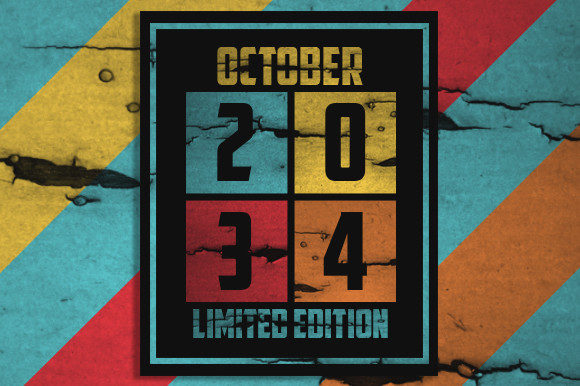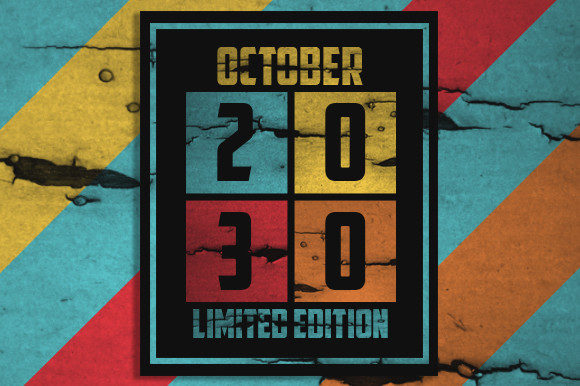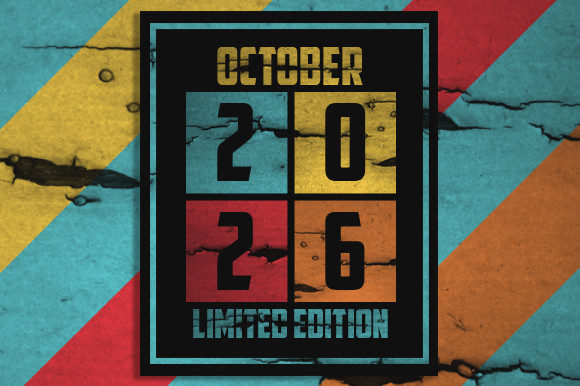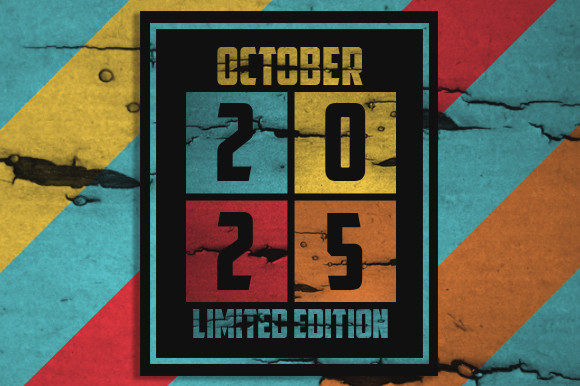
Retro October 1977 Limited Edition
As a designer and embroidery product reviewer, I’ve seen my fair share of digital files. But when I came across the Retro October 1977 Limited Edition, it immediately caught my attention. This is more than just a design—it’s a nostalgic nod to a specific time, with a visual personality that feels both authentic and versatile. The first thing I noticed was the mood it evokes: a blend of vintage charm and modern simplicity. It’s the kind of design that could work on a custom tote bag, a sweatshirt, or even a baby onesie. But before jumping into using it, I wanted to test it in real-world scenarios and see how it holds up.
The First Impression
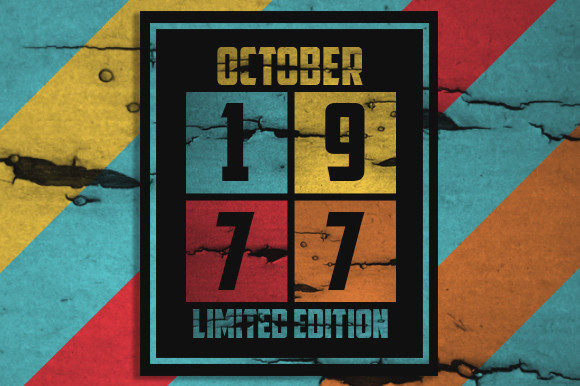
The Retro October 1977 Limited Edition has a clean, retro aesthetic that feels intentional. The layout is balanced, with a central motif that doesn’t feel cluttered. The details are subtle but effective—think bold lettering with a slight texture, maybe some faded edges or a vintage border. It’s not overly complex, which makes it ideal for a range of embroidery projects. The transparent background of the PNG file gives me flexibility for different fabric colors and backgrounds. But what really stands out is the sense of history it brings. It feels like something you’d find in a classic album cover or a retro poster, which makes it perfect for handmade products with a story.
Real-World Embroidery Use Cases
When I think about where this design would shine, I imagine it on custom apparel. A tote bag design with the Retro October 1977 Limited Edition would look great as a statement piece. On a sweatshirt, it could be a subtle yet meaningful addition. For baby items, the design could be adapted into a soft, embroidered patch or a decorative pillow. The simplicity of the design also makes it suitable for small shop merchandise, like aprons or tea towels. It’s the kind of design that can be used in both personal and commercial projects without feeling too generic.
One thing to consider is the stitch density. If the design is too dense, it might not work well on thin or stretchy fabrics. I’d recommend testing it on scrap fabric first to see how it looks. Also, if you’re planning to use it on dark fabric, make sure the thread colors contrast enough to stand out. The transparent background of the PNG file helps with that, but it’s still important to check how it translates in different lighting conditions.
Where to Be Cautious
While the Retro October 1977 Limited Edition is versatile, there are a few areas where caution is needed. Small hoop sizes might struggle with the design’s detail, especially if it includes intricate elements. Textured fabrics could also pose a challenge, as they might affect the clarity of the stitches. Thin or stretchy fabrics may require additional stabilizer to prevent puckering or distortion. And if you're planning to use it on curved surfaces like caps, make sure the design isn’t too large or detailed for the space.
Another thing to watch is the stitching on dark fabrics. If the design has light-colored elements, they might not show up as well. I’d suggest creating a black and white mockup to see how it looks in different contexts. Also, if the design includes tiny lettering or decorative accents, double-check that it’s readable at the intended size. These details can make a big difference in the final product’s quality.
Impact on Visual Appeal and Customer Trust
The Retro October 1977 Limited Edition has a strong visual appeal that can elevate any handmade product. Its vintage vibe adds character, making it a great choice for personalized gifts or holiday items. When customers see this design on a finished product, they’re likely to associate it with quality and creativity. That kind of perception can boost customer trust and increase the perceived value of your items.
For small business owners and Etsy sellers, this design could be a valuable asset. It’s unique enough to stand out in a crowded market, yet simple enough to be adaptable. Whether you’re selling embroidered patches, custom apparel, or boutique merchandise, the Retro October 1977 Limited Edition can help you create a cohesive brand identity. It also works well for printable mockups, allowing you to showcase your designs before production.
Practical Designer Notes
Before using the Retro October 1977 Limited Edition in any project, I always recommend testing it on scrap fabric. This helps you see how the stitches look in real life and whether they match your expectations. Check the thread color contrast, especially if you’re using it on dark or light backgrounds. Review the stitch density to ensure it’s appropriate for the fabric type you’re working with.
Confirm the hoop size required for the design. If it’s too large, you may need to adjust it or split it into sections. Inspect the small details closely—tiny lettering or intricate patterns can sometimes get lost in translation. Test it in black and white mockups to see how it looks without color. Finally, make sure the design works for both personal and commercial use, and always check the licensing terms before selling finished items or digital products.
Final Thoughts
The Retro October 1977 Limited Edition is a design that balances nostalgia with practicality. It’s ideal for a wide range of embroidery projects, from custom apparel to personalized gifts. While it has its limitations, it’s a strong choice for designers looking to add a vintage touch to their work. With careful consideration and testing, it can become a valuable part of your design assets. Whether you’re an Etsy seller, a craft business owner, or a creative entrepreneur, this design has the potential to enhance your offerings and connect with your audience on a deeper level.