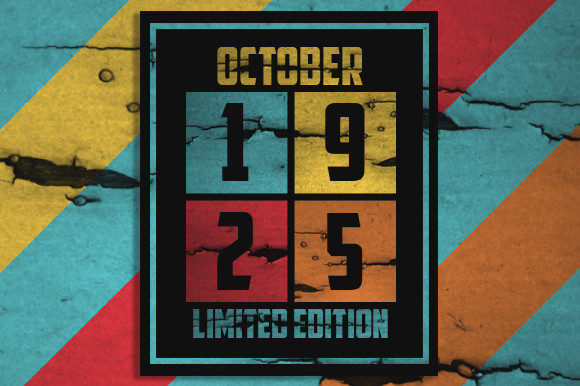
Retro October 1925 Limited Edition
First Impressions: A Nostalgic Design with Timeless Appeal
The Retro October 1925 Limited Edition immediately evokes a sense of vintage charm. Its design elements suggest a bygone era, with intricate patterns and a classic layout that feels both nostalgic and sophisticated. The high-resolution PNG file offers a clear view of the details, making it easy to visualize how it would translate into an actual embroidery project. This is not just a design—it’s a statement piece that could elevate any handmade or commercial product.
Real-World Application: Where Does It Fit Best?
When considering where to use the Retro October 1925 Limited Edition, the design naturally lends itself to custom apparel, tote bags, and baby items. Its detailed layout makes it ideal for larger hoop sizes, allowing for full coverage without losing clarity. For example, a custom embroidered tote bag featuring this design would stand out in a craft fair or online store, offering a unique and eye-catching option for customers looking for something special.
This design also works well on sweatshirts and aprons, where the visual impact can be maximized. The retro aesthetic pairs well with casual, everyday wear, making it a versatile choice for small business owners and Etsy sellers. However, it’s important to consider the fabric type and texture when planning a project, as certain materials may affect the final appearance.
Performance in Embroidery Projects: Practical Considerations
When testing the Retro October 1925 Limited Edition on different fabrics, it’s crucial to pay attention to stitch density and stabilizer use. On thin or stretchy materials, the design may require additional support to prevent puckering or distortion. For dark fabrics, ensuring sufficient thread color contrast is essential to maintain visibility and impact.
On textured or layered garments, the design might appear slightly less defined, so it’s best to test it on scrap fabric before committing to a finished product. Similarly, curved surfaces like caps or hats can be challenging, as the design may not sit perfectly on the curve. In such cases, adjusting the hoop size or modifying the design slightly could help achieve better results.
Design Details: What to Watch For
The Retro October 1925 Limited Edition features a mix of satin stitch, fill stitch, and running stitch elements, which contribute to its overall depth and character. However, the intricate corners and tiny lettering may require extra care during the embroidery process. If the design is too dense in certain areas, it could lead to excessive thread usage or potential stitching issues.
For commercial projects, it’s important to confirm that the design meets all licensing requirements before selling finished products or digital files. As a designer, I always recommend reviewing the terms carefully to avoid any legal complications down the line.
Visual Appeal and Customer Perception
When it comes to visual appeal, the Retro October 1925 Limited Edition has a strong presence. Its vintage feel adds a touch of elegance that can enhance the perceived value of a handmade product. Customers often respond positively to unique, well-crafted designs, and this one has the potential to stand out in a crowded market.
For small shop products or Etsy listings, this design can serve as a key differentiator. It offers a level of craftsmanship that resonates with buyers who appreciate detail and authenticity. Whether used as a personalized gift or a boutique item, the design has the power to create a lasting impression.
Practical Designer Notes: Tips for Success
- Test on scrap fabric first: Always do a trial run to see how the design looks on your chosen material.
- Check thread color contrast: Ensure the colors will stand out against the fabric background.
- Review stitch density: Adjust if needed to avoid over-stitching or under-stitching.
- Confirm hoop size: Make sure the design fits comfortably within your machine’s hoop limitations.
- Inspect small details: Pay close attention to corners, lettering, and intricate elements.
- Test in black and white mockups: This helps assess how the design will look in different contexts.
- Compare light and dark fabric backgrounds: Some elements may need adjustment based on the fabric color.
- Use proper stabilizer: This prevents puckering and ensures a clean finish.
- Check for commercial use: Confirm licensing terms before selling finished items or digital products.
- Confirm design compatibility: Ensure the file format and resolution meet your needs.
Final Thoughts: A Design Worth Considering
The Retro October 1925 Limited Edition is a thoughtful and visually appealing design that has the potential to enhance a wide range of embroidery projects. From custom apparel to personalized gifts, it offers a unique blend of nostalgia and style that can resonate with both clients and customers.
As a designer, I recommend approaching this design with a practical mindset. While it has a lot to offer, it’s important to consider the specific requirements of each project. With careful planning and execution, the Retro October 1925 Limited Edition can become a valuable asset in any craft business or creative endeavor.