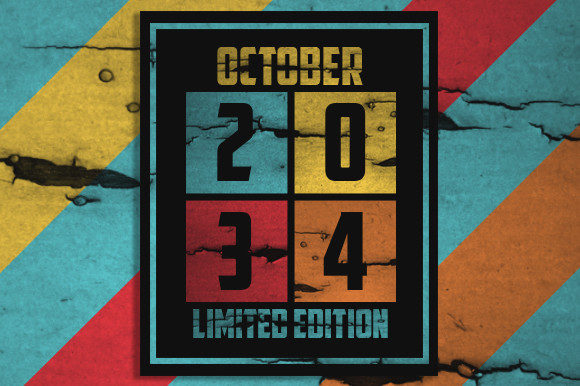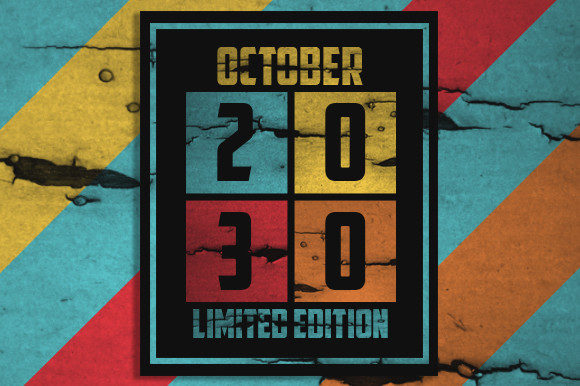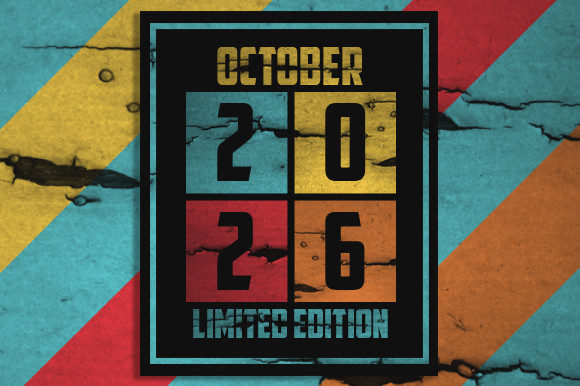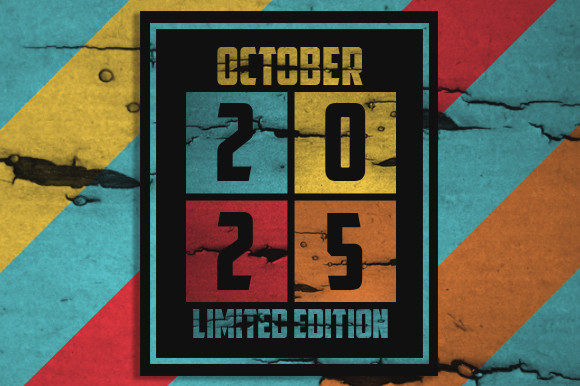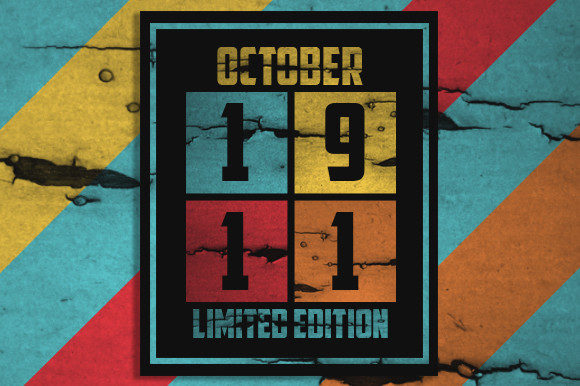
Retro October 1911 Limited Edition
As a designer and embroidery product reviewer, I often find myself evaluating digital files for their practicality, visual appeal, and real-world usability. The Retro October 1911 Limited Edition is one such design that caught my attention—not just for its nostalgic aesthetic, but for how it might translate into actual projects. Let’s dive into what this design offers and where it truly shines.
First Impressions: A Nostalgic Visual Statement
The Retro October 1911 Limited Edition immediately evokes a sense of vintage charm. Its layout feels deliberate, with a central focal point that commands attention. The design’s theme is clearly rooted in historical or retro-inspired aesthetics, making it ideal for projects that aim to convey a sense of timelessness or artisanal quality.
The shape and composition are clean, with enough detail to be visually engaging without becoming overwhelming. It’s the kind of design that could work well on a custom tote bag, a sweatshirt, or even a baby onesie—something that feels both personal and meaningful. The high-resolution PNG file ensures clarity, which is essential when translating digital art into physical embroidery.
Real-World Embroidery Use Cases
This design would fit naturally into a variety of embroidery projects. For example, if I were creating a custom tote bag for a client, the Retro October 1911 Limited Edition could serve as a standout feature. It would add character without being too busy, making it suitable for both casual and more refined settings.
On a sweatshirt, the design would likely look great, especially if placed on the front or back. It could also work as an embroidered patch for a jacket or backpack. For baby items, like a onesie or blanket, the design adds a touch of personality that parents might appreciate. The level of detail is sufficient for most applications, though it may require some careful consideration depending on the fabric and hoop size.
Where to Be Cautious: Practical Considerations
While the Retro October 1911 Limited Edition has a lot to offer, there are certain scenarios where it might not perform as well. For instance, if you’re working with small hoop sizes, the design might be challenging to stitch without repositioning. This could slow down the process and affect the overall finish.
Textured or thin fabrics could also pose a challenge. If the design includes intricate details, they might not show up clearly on stretchy or dark materials. It’s important to test the design on different fabrics before committing to a larger project. Similarly, if the design features tiny lettering or dense stitch areas, these could become distorted or less visible during the embroidery process.
Visual Appeal and Customer Perception
When it comes to customer reaction, the Retro October 1911 Limited Edition has a strong potential to stand out. Its vintage feel can make a handmade product feel more unique and valuable. For Etsy sellers or small shop owners, this design could help differentiate their offerings in a crowded market.
It also enhances the professionalism of a finished product. Whether it’s used on a personalized gift or a commercial item, the design adds a layer of sophistication that customers might associate with quality craftsmanship. However, it’s crucial to ensure that the design aligns with the brand’s overall aesthetic and that it doesn’t clash with other elements of the product.
Designer Notes: Testing and Preparation
Before using the Retro October 1911 Limited Edition in a project, I recommend testing it on scrap fabric. This will give you a better idea of how the stitches will look and whether any adjustments are needed. Checking thread color contrast is also essential—especially if the design will be used on dark or light backgrounds.
Reviewing the stitch density is another key step. If the design is too dense, it might cause puckering or distortion on certain fabrics. Confirming the appropriate hoop size will also help avoid issues during the stitching process. Small details, like corners or edges, should be inspected closely to ensure they come out cleanly.
Testing the design in black and white mockups can also be helpful. This allows you to see how the design looks without color, which is useful for understanding its structure and balance. Comparing it on different fabric backgrounds can further inform your decision on where it will work best.
Commercial and Personal Use
The Retro October 1911 Limited Edition is versatile enough to be used in both personal and commercial projects. For a hobbyist, it could be a fun way to personalize items for friends or family. For a craft business, it could serve as a downloadable design asset that adds value to an online store or print-on-demand setup.
However, it’s important to confirm the licensing terms before selling finished items or digital products. Even though the design is described as a digital download, the specific terms aren’t clear from the provided information. Always double-check to avoid any legal issues down the line.
Final Thoughts: A Design That Delivers
The Retro October 1911 Limited Edition is a solid choice for designers looking for a vintage-inspired embroidery design. Its clean layout, nostalgic feel, and high-resolution format make it suitable for a wide range of projects. While it requires some care in application, it has the potential to elevate both handmade and commercial products.
For anyone considering this design, the key takeaway is to test it thoroughly and think about how it fits into your specific use case. Whether you’re an Etsy seller, a small business owner, or a hobbyist, the Retro October 1911 Limited Edition could be a valuable addition to your design library. Just remember to approach it with the same care and attention you’d give any other embroidery project.