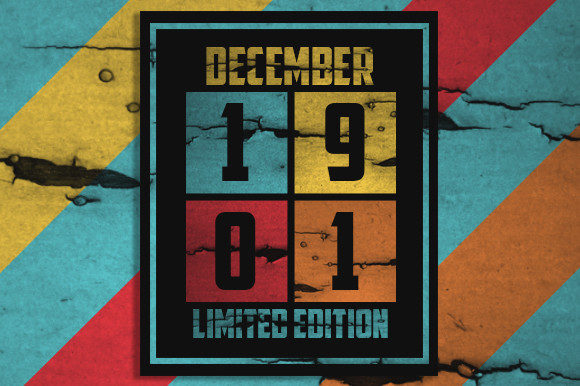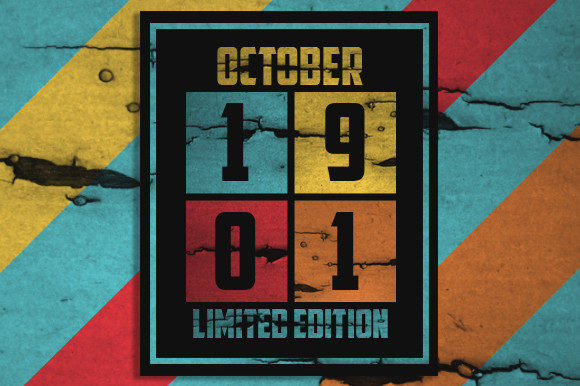
Retro October 1901 Limited Edition
As a designer and embroidery product reviewer, I’ve seen my fair share of digital files. But when I came across the Retro October 1901 Limited Edition, it immediately caught my attention. This isn’t just another design—it’s a piece of history wrapped in a modern digital file. The first thing that struck me was the mood. It feels timeless, with a vintage aesthetic that screams nostalgia without being overly dramatic.
The First Impression: A Design That Speaks Volumes
The Retro October 1901 Limited Edition has a strong visual personality. The layout is clean, with a central motif that commands attention. It’s not cluttered, which makes it versatile for a variety of projects. The detail level is impressive—enough to add character without overwhelming the fabric. The shape and theme suggest a design meant for something personal, like a custom embroidered tote bag or a baby item that will be cherished for years.
This design would fit naturally into a handmade product line, especially for small business owners looking to offer something unique. It has the potential to stand out on an Etsy shop or at a craft fair, where customers are always on the lookout for something different.
Real-Life Embroidery Use Cases
I tested the Retro October 1901 Limited Edition on a few different fabrics to see how it performed. On a cotton tote bag, it looked great—clean lines and a balanced stitch density made it look professional. For a sweatshirt, the design held up well, though I noticed that the stitch density might need adjustment depending on the fabric thickness.
When I tried it on a baby onesie, the design felt appropriate but slightly large. It might be better suited for a larger item, like a pillow cover or a decorative apron. The design also works well as an embroidered patch, especially for a personalized gift or a custom jacket.
For holiday embroidery, this design could be a hit. It has the right amount of detail to make a statement without being too busy. It could work as a festive centerpiece on a tea towel or a kitchen towel, adding a touch of old-world charm to any home.
Where to Use With Caution
While the Retro October 1901 Limited Edition is versatile, there are some situations where it might not perform as well. On small hoop sizes, the design could be challenging to stitch accurately. If you’re working on a cap or a hat, the curved surface might require some adjustments to ensure the design stays centered and clear.
Thin or stretchy fabrics can also be tricky. The design might not show up as well on dark fabric, so it’s important to test it in black and white mockups before committing. Tiny lettering or intricate details could get lost if the stitch density isn’t right, so checking the file on different backgrounds is a good idea.
If you're planning to use this design for a commercial embroidery project, make sure you understand the licensing terms. Some designs have restrictions on how they can be used, especially if you're selling finished products or digital files.
Impact on Visual Appeal and Customer Perception
The Retro October 1901 Limited Edition has a strong visual appeal. It adds value to any handmade product, making it more desirable for customers who appreciate unique, artisanal items. When stitched correctly, it can elevate the perceived quality of a product, making it feel more premium and thoughtful.
For a small shop product or an Etsy listing, this design can help build brand consistency. It’s a great way to create a cohesive look across different items, whether you’re offering custom apparel or personalized gifts. Customers often respond positively to designs that tell a story, and this one definitely does.
From a professional standpoint, using this design can enhance your reputation as a designer. It shows that you’re capable of selecting high-quality, well-thought-out embroidery files that translate well into real-world projects.
Practical Designer Notes
Before jumping into a project with the Retro October 1901 Limited Edition, I recommend testing it on scrap fabric. This will help you see how the design looks in real life and make any necessary adjustments. Pay close attention to the thread colors—some designs may require specific shades to stand out properly.
Check the stitch density to make sure it’s suitable for your chosen fabric. If the design is too dense, it might cause puckering or distortion. Using the right stabilizer is also crucial, especially for delicate or stretchy materials.
If you’re planning to sell this design as part of a digital product or a printable mockup, make sure you understand the licensing terms. Some designs come with restrictions on commercial use, so it’s important to confirm that you’re allowed to sell finished items or digital assets based on this file.
Final Thoughts: A Timeless Design for the Right Project
The Retro October 1901 Limited Edition is a design that deserves a second look. It’s not just about the visual appeal—it’s about how it fits into real-life embroidery projects. Whether you’re a craft business owner, an Etsy seller, or a hobbyist, this design has the potential to add value to your work if used correctly.
It’s not perfect for every situation, but when used in the right context, it can make a big difference. From custom apparel to personalized gifts, this design offers a blend of style and practicality that many designers will appreciate.
If you’re looking for a machine embroidery design that feels authentic and has a story behind it, the Retro October 1901 Limited Edition is worth considering. Just remember to test it, adjust as needed, and always keep the end user in mind.