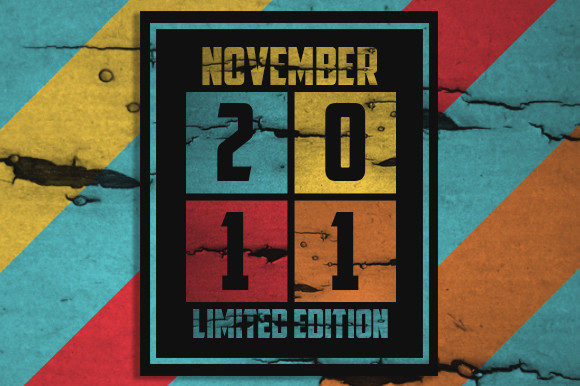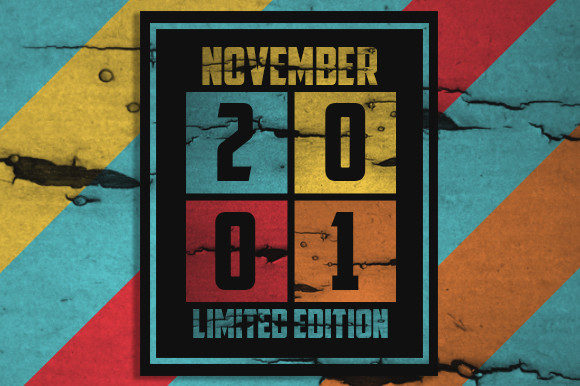
Retro November 2001 Limited Edition
First Impressions: A Nostalgic Design with Character
The Retro November 2001 Limited Edition immediately evokes a sense of vintage charm. The design feels like a throwback to the early 2000s, with its clean lines and subtle retro aesthetic. It’s not overly complex, but it carries enough detail to stand out on a variety of projects. The layout is balanced, making it suitable for both bold statements and more subdued applications.
This design seems to belong in a handmade product or custom apparel project where nostalgia plays a key role. It could work well as an embroidered patch, a tote bag design, or even as part of a holiday gift set. Its simplicity makes it versatile, but its personality ensures it doesn’t get lost in the crowd.
Real-Life Embroidery Scenarios: Where It Shines
When considering real-life embroidery situations, the Retro November 2001 Limited Edition fits naturally into several categories. For example, if you're creating a custom sweatshirt for a boutique brand, this design could add a unique touch that appeals to customers looking for something different. It also works well for baby items, such as onesies or blankets, where a soft, nostalgic design can make a meaningful statement.
As an applique design, it could be used on a pillow cover or kitchen towel, offering a decorative element that complements a rustic or vintage-themed home decor line. For Etsy sellers or small shop owners, this design could be a valuable addition to a printable mockup collection, allowing buyers to visualize how it would look on different products before purchasing.
It also has potential for commercial embroidery projects, especially those targeting a younger demographic or niche markets that appreciate retro aesthetics. However, its success will depend on how well it translates to different fabric types and stitching methods.
Where to Be Cautious: Limitations and Considerations
While the Retro November 2001 Limited Edition has a lot to offer, there are some areas where caution is advised. If you're working with small hoop sizes, this design might require multiple hooping sessions, which could complicate the process. Similarly, on textured fabrics or thin materials, the details may not come through as clearly as expected.
For stretchy or dark fabrics, the contrast between the design and the background could be an issue. Depending on the thread colors chosen, the design might not stand out as intended. It’s important to test the design on different fabric types before committing to a large production run.
Additionally, if you’re planning to use this design on curved surfaces like caps or on products that require frequent washing, you’ll want to ensure that the stitch density is appropriate. Dense areas might cause the fabric to pucker or the stitches to break over time.
Visual Appeal and Practical Value: What Customers Notice
The visual appeal of the Retro November 2001 Limited Edition lies in its ability to evoke emotion without being overwhelming. It’s a design that feels personal, making it ideal for personalized gifts or custom apparel. When stitched correctly, it can enhance the value of a handmade product, adding a unique touch that sets it apart from mass-produced alternatives.
Customer trust is often built through consistency and quality. If the design is well-executed and matches the overall branding of a product, it can reinforce a sense of professionalism. This is particularly important for Etsy sellers or small business owners who rely on customer reviews and repeat business.
For giftability, the Retro November 2001 Limited Edition offers a nostalgic angle that can resonate with a wide range of recipients. Whether it’s a holiday gift, a wedding present, or a personalized item for a friend, the design has the potential to create a lasting impression.
Embroidery Designer Notes: Practical Tips for Success
Before using the Retro November 2001 Limited Edition in any project, it’s wise to test it on scrap fabric. This will help you assess how the design looks in real life and whether any adjustments are needed. Pay close attention to the stitch density—too much or too little can affect the final appearance.
Check the thread color contrast against the fabric you plan to use. Some designs may need a different color palette depending on the background. Also, confirm the hoop size required for the design to ensure it fits your machine’s capabilities.
Inspecting small details is crucial. Tiny lettering or intricate corners might not hold up well on certain fabrics. Testing the design in black and white mockups can help you see how it looks without color distractions. Comparing it on light and dark fabric backgrounds can also reveal any hidden issues.
Using the right stabilizer is essential, especially for delicate or stretchy fabrics. Make sure the design works for both personal and commercial projects, and always verify the licensing terms before selling finished items or digital products.
Final Thoughts: A Design Worth Considering
The Retro November 2001 Limited Edition is a design that balances nostalgia with practicality. It has the potential to elevate a variety of embroidery projects, from custom apparel to handmade gifts. However, its success depends on careful consideration of fabric type, stitch execution, and design placement.
For embroidery designers, crafters, and small business owners, this design offers a unique opportunity to add character to their products. With the right approach, it can become a valuable asset in a creative entrepreneur’s toolkit.