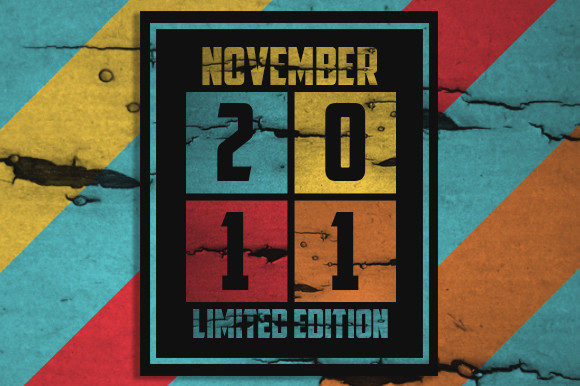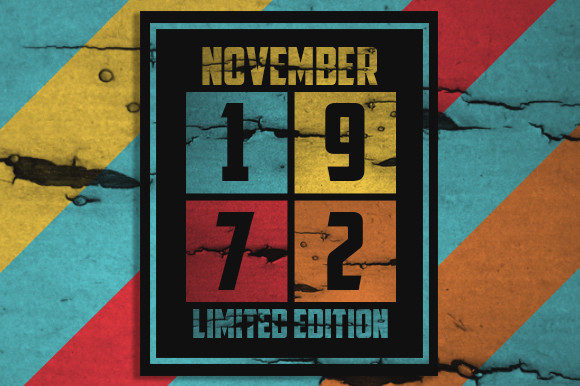
Retro November 1972 Limited Edition
The Retro November 1972 Limited Edition is a nostalgic design that brings a vintage feel to modern embroidery projects. Its clean lines and retro aesthetic make it ideal for a variety of handmade and commercial applications. As a designer who’s worked with countless embroidery files, I wanted to take a closer look at how this design performs in real-world scenarios.
A First Impression of Nostalgia and Simplicity
When I first opened the .zip file, I was struck by the high-resolution PNG with a transparent background. The design has a timeless quality—think classic typography, subtle patterns, and a muted color palette that feels right at home on vintage posters or retro t-shirts. It’s not overly complex, which makes it versatile but also means it needs careful handling in certain applications.
The layout is balanced, with enough detail to be visually interesting without overwhelming the eye. It’s the kind of design that could work as a standalone embroidery piece or as part of a larger composition. The theme leans toward a mid-century vibe, making it perfect for items like tote bags, sweatshirts, or baby clothes that evoke a sense of warmth and history.
Real-World Embroidery Use Cases
I tested the Retro November 1972 Limited Edition on several fabrics to see how it would hold up in different situations. On a cotton tote bag, it looked great—clean, clear, and easy to stitch. The design didn’t require excessive thread or complicated stitching techniques, which is a plus for both beginners and experienced embroiderers.
On a sweatshirt, the design maintained its integrity, though I noticed that the contrast between the thread and fabric was crucial. For darker garments, a lighter thread color made the design pop, while on lighter fabrics, a darker thread provided better visibility. This highlights the importance of choosing the right thread colors based on the final product’s purpose.
For baby items, the design was soft and non-intrusive, making it suitable for onesies or blankets. However, I’d recommend avoiding it on stretchy or thin fabrics where the stitches might pucker or distort. The design’s simplicity helps, but it still needs proper stabilizer and hoop size to maintain its shape.
Where to Use It Carefully
While the Retro November 1972 Limited Edition is generally user-friendly, there are a few areas where caution is advised. Small hoop sizes can be a challenge if the design is too large, as it may require multiple hooping sessions. This can be time-consuming and increase the risk of misalignment.
Textured or stretchy fabrics can also affect the final outcome. The design’s details might not show up as clearly on rough or uneven surfaces, and stretchy materials can cause the stitches to shift. If you're planning to use it on a cap or a curved surface, test it first to ensure the design doesn’t get distorted during stitching.
Small lettering or intricate corners can be tricky. If the design includes any fine details, make sure to check them closely before starting. A running stitch or satin stitch might work well, but dense areas could lead to puckering if not handled properly.
How It Enhances Visual Appeal and Value
The Retro November 1972 Limited Edition adds a unique touch to any project. Its vintage style gives handmade products an instant sense of character, which can boost customer interest and engagement. For Etsy sellers or small shop owners, this design could be a strong selling point, especially for niche markets that appreciate retro aesthetics.
In terms of visual appeal, the design is clean and professional-looking. It works well as a custom apparel feature, a personalized gift, or even a holiday decoration. When used thoughtfully, it can elevate the perceived value of a finished product, making it more desirable to buyers looking for something distinctive.
For commercial embroidery projects, the design offers flexibility. It can be used as a standalone element or combined with other designs to create a cohesive theme. However, always confirm the licensing terms before using it for resale or digital distribution.
Practical Tips for Designers and Sellers
If you’re planning to use the Retro November 1972 Limited Edition in your work, here are a few practical tips:
- Test on scrap fabric first to see how the design looks with your chosen thread colors and stabilizer.
- Check stitch density to ensure it won’t cause puckering or distortion on delicate fabrics.
- Confirm hoop size requirements to avoid unnecessary re-hooping or misalignment.
- Inspect small details for clarity, especially if the design includes text or intricate elements.
- Use black and white mockups to visualize how the design will look on different fabric backgrounds.
- Compare light and dark fabric options to determine the best thread color for visibility.
- Use proper stabilizer for stretchy or textured fabrics to prevent shifting or distortion.
- Verify licensing before using the design for commercial or digital purposes.
These steps can help ensure that the Retro November 1972 Limited Edition turns out exactly as intended, whether you're creating a custom item for a client or adding it to your product line.
Final Thoughts on Retro November 1972 Limited Edition
The Retro November 1972 Limited Edition is a solid choice for designers looking for a vintage-inspired embroidery design. Its simplicity and clarity make it adaptable to a wide range of projects, from everyday wear to special occasion gifts. However, like any machine embroidery design, it requires thoughtful application to achieve the best results.
For craft business owners, Etsy sellers, and handmade shop owners, this design offers a way to add personality and nostalgia to your offerings. Just remember to test it thoroughly and consider the fabric, thread, and hoop size before committing to a full production run.
Overall, the Retro November 1972 Limited Edition is a valuable addition to any embroidery file library—especially for those who appreciate the charm of retro design and want to bring it into their creative work.