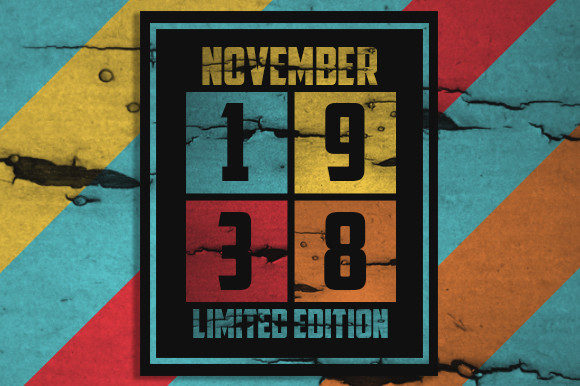
Retro November 1938 Limited Edition
First Impressions: A Nostalgic Design with Character
The Retro November 1938 Limited Edition immediately catches the eye with its vintage aesthetic. The design feels like a piece of history, evoking the style of mid-20th century typography and graphic elements. It’s clean yet detailed enough to add visual interest without overwhelming the space it occupies. The layout is balanced, making it suitable for a wide range of embroidery projects.
This is a design that tells a story. It has a timeless quality that could work well on custom apparel, handmade gifts, or even as a printable mockup for digital product previews. The mood it creates is warm and inviting, perfect for a craft business looking to offer something unique and memorable.
Real-Life Use: Where Does This Design Shine?
Imagine you’re preparing a custom embroidered tote bag for a client who wants something that stands out. The Retro November 1938 Limited Edition would be an excellent choice. Its high-resolution PNG file makes it easy to scale and place on different surfaces, whether it’s a cotton tote, a sweatshirt, or even a baby onesie.
The design works particularly well on light-colored fabrics where the details can pop. On darker backgrounds, it might require careful consideration of thread color contrast to ensure visibility. For small hoop sizes, the design may need to be split into sections, which could affect the overall flow if not handled properly.
It also has potential as an embroidered patch or applique design. The level of detail suggests it could be used in a layered project, but I’d recommend testing it first on a similar fabric to see how it behaves during stitching.
Where to Be Cautious: Potential Challenges
While the Retro November 1938 Limited Edition is versatile, there are some situations where it might not perform as expected. On textured or stretchy fabrics, the design could lose some of its clarity. Thin or dark fabrics may require additional stabilizer to prevent puckering or distortion.
If you're planning to use this on curved surfaces like caps or hats, pay close attention to the corners and edges. The design’s intricate elements might not translate well to those areas unless the hoop size and stitch density are carefully adjusted.
For commercial embroidery projects, especially those involving frequent washing, it’s important to check the stitch density and ensure the design is durable enough to withstand repeated use. Tiny lettering or decorative accents might get lost if the machine settings aren’t optimized.
Visual Appeal and Customer Perception
The Retro November 1938 Limited Edition has a strong visual appeal that can elevate any handmade product. When stitched correctly, it adds a touch of sophistication that can make a finished product stand out in a crowded market. For Etsy sellers or small shop owners, this design could be a valuable addition to their inventory, especially around holiday seasons or for personalized gifts.
Customers often respond positively to designs with a story or a nostalgic feel. This one could help build trust and create a sense of authenticity in your brand. It also supports brand consistency, especially if you’re targeting a vintage or retro-themed audience.
When presented well—whether as a printable mockup or a physical sample—the design can enhance buyer engagement and increase the perceived value of your products. It’s a great choice for anyone looking to offer something that feels both unique and professional.
Practical Designer Notes: What to Check Before Using
Before committing to a large batch of embroidery projects using the Retro November 1938 Limited Edition, I recommend doing a few key tests. Start by stitching it on scrap fabric to see how the design looks in real life. Pay attention to how the stitch density affects the overall appearance and whether the design holds up on different fabric types.
Check the thread color contrast, especially if you plan to use it on dark or colored fabrics. Some colors might not show up as well as others, so it’s worth experimenting with different options. Also, review the hoop size requirements—this design might not fit in smaller hoops without adjustments.
Inspect the small details closely. If the design includes intricate patterns or tiny text, make sure they’re clear and legible after stitching. Test it in black and white mockups to see how it translates without color, and compare it against both light and dark fabric backgrounds.
Use the proper stabilizer for the fabric you’re working with. This will help maintain the integrity of the design and prevent issues like puckering or shifting. Confirm whether the design is suitable for both personal and commercial use, and always check the licensing terms before selling any finished items or digital products.
Conclusion: A Design Worth Considering
The Retro November 1938 Limited Edition is a thoughtful design that offers a blend of nostalgia and practicality. It’s ideal for embroidery designers, crafters, and small business owners looking for something that can be used across a variety of projects. With the right approach and careful testing, it can become a valuable asset in your creative toolkit.
Whether you’re creating custom apparel, personalized gifts, or boutique merchandise, this design has the potential to add character and charm to your work. Just remember to take the time to test it thoroughly and consider the specific needs of your project before moving forward.