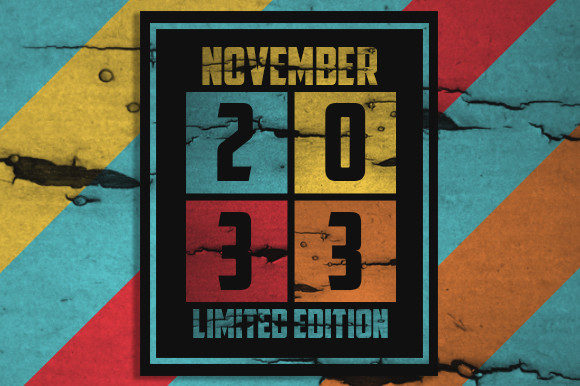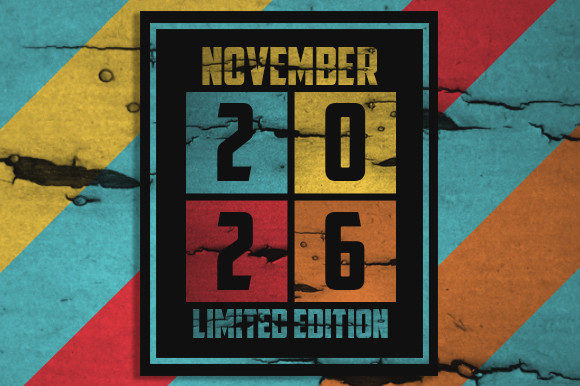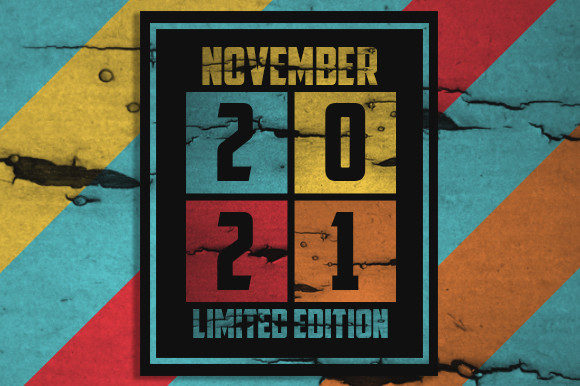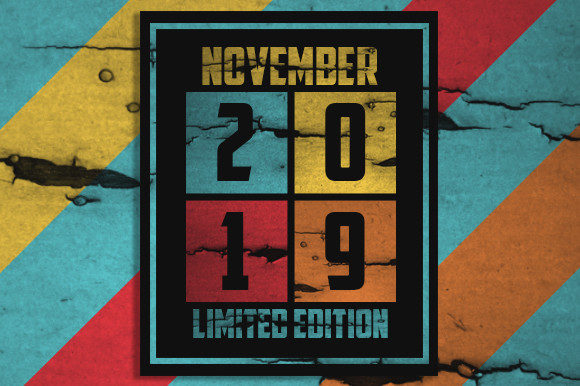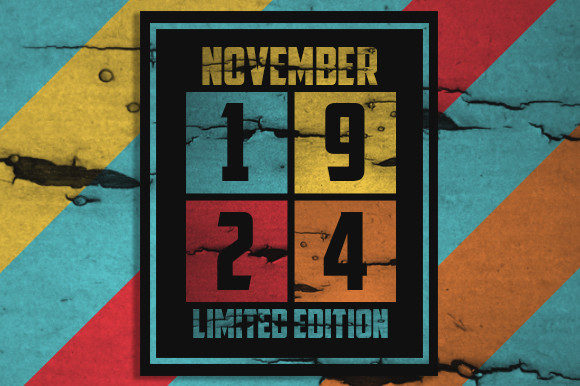
Retro November 1924 Limited Edition
As a designer and embroidery product reviewer, I often find myself evaluating digital designs for their practicality, visual appeal, and real-world usability. The Retro November 1924 Limited Edition is one such design that caught my attention—not just for its nostalgic aesthetic, but for how it might translate into actual projects. Let’s dive into what this design offers and where it truly shines.
The First Impression: A Nostalgic Visual Statement
From the moment I opened the PNG file, the Retro November 1924 Limited Edition exudes a vintage charm. The design features a classic layout with clean lines and subtle textures that evoke a bygone era. It’s not overly complex, which makes it versatile for a range of applications. The high-resolution transparent background ensures it can be easily placed on any fabric or mockup without unwanted edges or shadows.
The mood it creates is warm and timeless—perfect for handmade products that aim to feel authentic. Whether it’s a custom embroidered tote bag or a personalized baby item, this design feels like it belongs in a storybook. Its simplicity also means it can work well as an applique design or a satin stitch accent.
Real-Life Embroidery Use Cases
When considering real-life use, the Retro November 1924 Limited Edition fits naturally into several categories. For example, imagine using it on a sweatshirt or tote bag design. The clean lines make it easy to stitch without getting lost in dense areas. It could also work as an embroidered patch for jackets or bags, adding a touch of retro flair without overwhelming the piece.
For baby items, the design’s soft, elegant style makes it ideal for onesies, blankets, or nursery decor. It’s not too bold, which is important when working with delicate fabrics. Similarly, it could serve as a holiday embroidery project, whether for a Christmas gift or a personalized wedding accessory.
As a digital product seller, I see potential for this design in printable mockups and digital design assets. It could be used as a preview for custom apparel or as part of a collection for Etsy sellers looking to add vintage-inspired elements to their shop.
Where to Be Cautious: Practical Considerations
While the Retro November 1924 Limited Edition has a lot to offer, there are some scenarios where it might require extra care. For instance, if you’re working with small hoop sizes, the design’s layout may need to be adjusted to fit properly. Similarly, on textured fabrics or thin materials, the stitch density could affect the final look, so testing on scrap fabric first is essential.
On dark fabrics, the design’s transparency might not show up as clearly, so checking thread color contrast is key. If you’re planning to use it on stretchy or curved surfaces like caps, ensure the design is scaled appropriately to avoid distortion. Tiny lettering or intricate corners might get lost in the stitching process, so paying attention to detail is crucial.
Impact on Visual Appeal and Customer Trust
When it comes to visual appeal, the Retro November 1924 Limited Edition delivers a polished, professional look that can elevate any handmade product. Its clarity and simplicity make it easy to recognize, which is important for brand consistency and customer recognition. For small business owners, this kind of design can help build trust, as it shows attention to detail and quality craftsmanship.
As a personalized gift or custom apparel item, the design adds value by offering something unique and meaningful. It’s the kind of detail that can make a finished product stand out in a crowded market, whether it’s for an Etsy listing or a craft fair booth.
Embroidery Designer Notes: Testing and Preparation
Before jumping into a full project, I always recommend testing the Retro November 1924 Limited Edition on scrap fabric. This helps identify any issues with stitch density, thread color, or stabilizer needs. Since the design is high resolution, it should work well on most machines, but verifying compatibility is a smart move.
For commercial embroidery projects, confirming licensing terms is essential. Even though the design is digital, understanding what you can and cannot do with it ensures you stay on the right side of copyright laws. Also, consider how it looks in black and white mockups—it can reveal hidden details that might not be obvious in color.
If you’re planning to use it on layered garments or curved surfaces, adjust the design accordingly. Using the right stabilizer will prevent puckering or distortion, especially on delicate or stretchy fabrics. Lastly, check whether the design works for both personal and commercial use, depending on your goals.
Final Thoughts: A Versatile Vintage Design
The Retro November 1924 Limited Edition is a thoughtful design that brings a touch of nostalgia to modern embroidery projects. Its clean layout, high-resolution quality, and transparent background make it adaptable for a variety of uses. Whether you’re creating custom apparel, personalized gifts, or small shop merchandise, this design has the potential to enhance your work with a timeless aesthetic.
As with any machine embroidery design, success depends on preparation, testing, and attention to detail. But when done right, the Retro November 1924 Limited Edition can become a standout element in your creative repertoire—offering both visual appeal and practical value for your clients and customers alike.