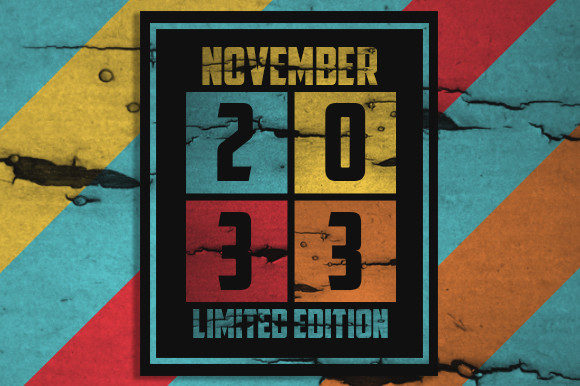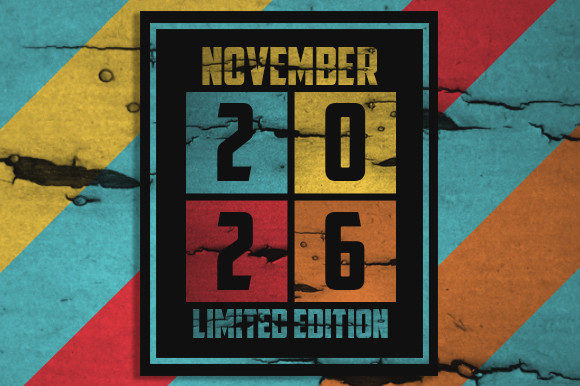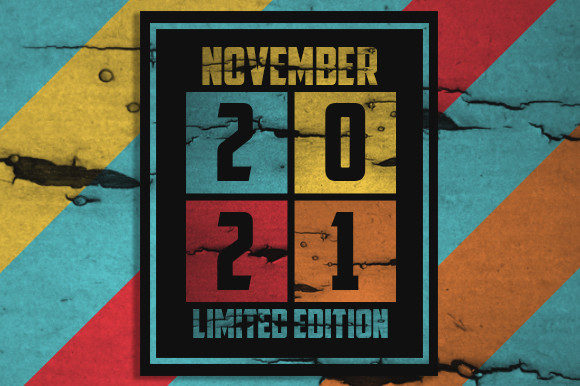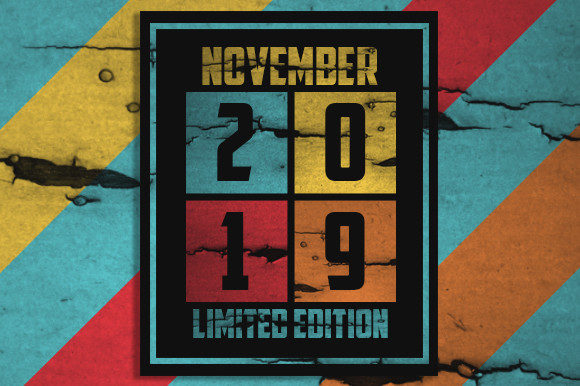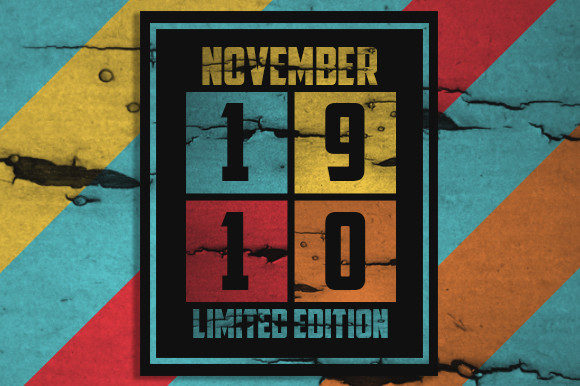
Retro November 1910 Limited Edition
The Retro November 1910 Limited Edition is a vintage-inspired design that feels like a piece of history wrapped in modern embroidery potential. Its aesthetic is rich with nostalgia, featuring intricate detailing and a timeless layout that suggests a bygone era of craftsmanship. As an embroidery designer and reviewer, I’ve evaluated countless designs for real-world use, and this one stands out for its visual personality and versatility in a range of projects.
A First Impression of Nostalgia and Detail
From the moment I opened the PNG file, the Retro November 1910 Limited Edition exuded a warm, classic charm. The design’s layout is balanced, with a central focal point that draws the eye while maintaining a sense of elegance. The level of detail is impressive—subtle textures and layered elements suggest a handcrafted feel, which makes it ideal for projects that aim to evoke authenticity.
This design would fit naturally into custom apparel, especially sweatshirts or tote bags that lean into vintage themes. It also has the potential to be a standout feature on baby items, where the softness of the design can complement delicate fabrics. The overall mood is refined yet approachable, making it suitable for both handmade products and commercial embroidery projects.
Real-World Embroidery Performance
When considering how Retro November 1910 Limited Edition performs in real-life embroidery situations, it’s important to think about the scale and complexity of the design. The stitch density is moderate, which means it should work well on most standard hoop sizes. However, if you're working on smaller items like caps or patches, you may need to adjust the design slightly to avoid overcrowding.
For custom apparel, such as t-shirts or sweatshirts, the design holds up well. The details remain clear even when stitched onto light-colored fabrics, and the transparent background ensures it blends seamlessly with the garment. On darker fabrics, the contrast is still effective, though you may want to test thread colors to ensure visibility.
One area where care is needed is with textured or stretchy fabrics. The design’s intricate lines could become distorted if not properly stabilized. Using the right stabilizer is crucial, especially when working with thin or stretchy materials. For baby clothes or delicate items, a lighter stabilizer might be preferable to maintain softness without compromising the design’s integrity.
Where to Use It Carefully
While the Retro November 1910 Limited Edition is versatile, there are some scenarios where caution is advised. Small hoop sizes may struggle to accommodate the design’s finer details, so it’s best to check your machine’s capabilities before starting. Similarly, curved surfaces like caps or hats require careful placement to ensure the design doesn’t get stretched or warped during stitching.
Dense stitch areas can sometimes cause fabric puckering, so it’s wise to test the design on scrap fabric first. Tiny lettering or decorative accents might also need extra attention to ensure they remain legible after stitching. If you’re planning to use this design for layered garments or products that will be washed frequently, consider how the stitches will hold up over time.
Impact on Visual Appeal and Customer Perception
The Retro November 1910 Limited Edition has a strong visual appeal that can elevate any finished product. Its vintage style adds a unique touch that can differentiate handmade items from mass-produced alternatives. For small business owners and Etsy sellers, this design offers a way to create personalized gifts that feel special and thoughtful.
When used on embroidered patches or tote bags, the design enhances the overall look of the item, making it more attractive to customers. It also contributes to a sense of professionalism, which is essential for craft businesses looking to build trust with their audience. The design’s clarity and detail help reinforce the value of the product, encouraging buyers to see it as a quality handmade item rather than a generic print.
Practical Designer Notes
Before using the Retro November 1910 Limited Edition in a project, I recommend testing it on different fabrics to see how it behaves. Check the thread color contrast against various backgrounds, and review the stitch density to ensure it aligns with your machine’s capabilities. Confirm the hoop size required for your design, and inspect small details to make sure nothing gets lost in translation.
Creating printable mockups can help visualize how the design will look on different products. Comparing the design on light and dark fabric backgrounds can also reveal subtle differences that might affect the final outcome. When working on commercial embroidery projects, always verify the licensing terms to ensure you’re compliant with any restrictions.
For those selling digital embroidery files, this design could be a valuable addition to your library. Its nostalgic feel and high-resolution format make it appealing to both hobbyists and professionals. Whether you’re creating a custom apparel piece or a boutique product, the Retro November 1910 Limited Edition offers a blend of style and practicality that can enhance your creative workflow.
Final Thoughts on Retro November 1910 Limited Edition
The Retro November 1910 Limited Edition is a design that balances vintage charm with modern usability. Its detailed layout and classic aesthetic make it a strong choice for a variety of embroidery projects, from custom apparel to personalized gifts. While it requires careful handling in certain situations, its overall performance and visual impact make it a worthwhile addition to any designer’s toolkit.
As a reviewer who values practical insights, I’d recommend this design to anyone looking to add a touch of nostalgia to their handmade products or commercial embroidery work. With proper preparation and attention to detail, the Retro November 1910 Limited Edition can bring a unique and lasting quality to your finished projects.