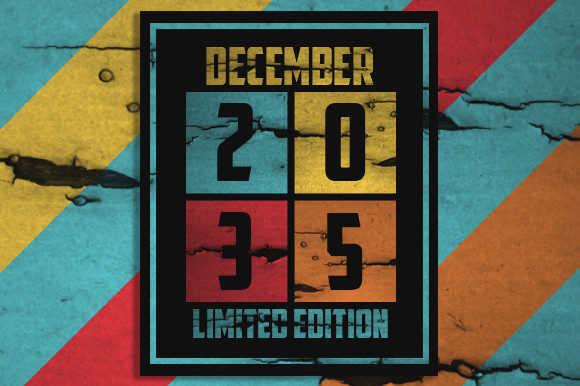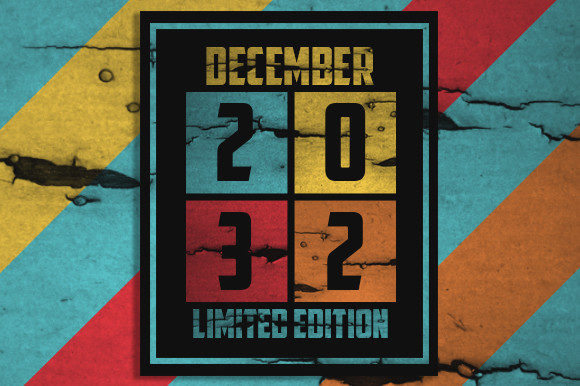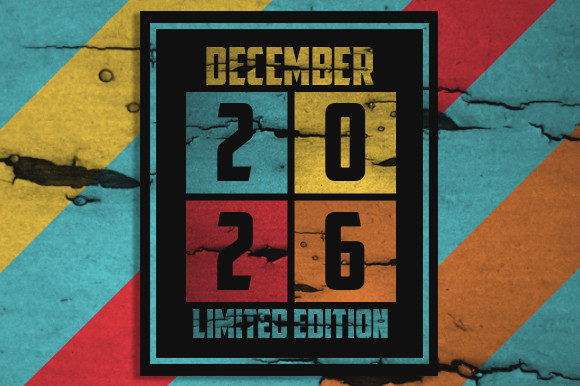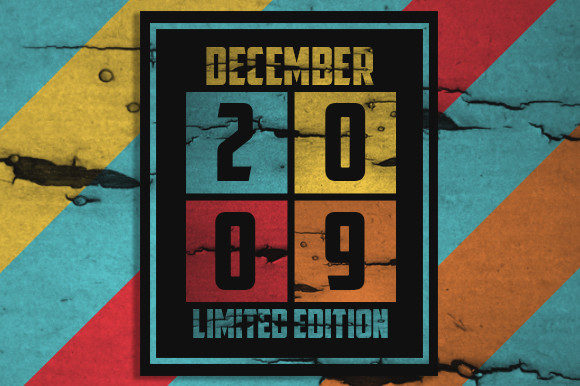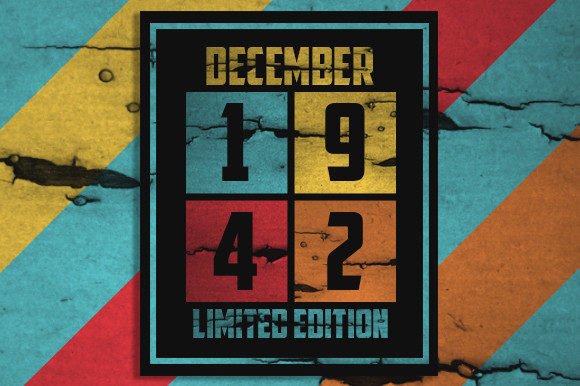
Retro December 1942 Limited Edition
As a designer and embroidery product reviewer, I’ve seen my fair share of digital files that promise a lot but deliver little. The Retro December 1942 Limited Edition is one that caught my eye not just for its nostalgic aesthetic, but for how it could translate into real-world embroidery projects. Let’s break down what this design offers and where it truly shines.
The First Impression: Nostalgia Meets Simplicity
From the moment I opened the .zip file, the Retro December 1942 Limited Edition felt like a breath of fresh air. The design has a clean, vintage vibe with a subtle retro feel that doesn’t scream “old-timey” but instead whispers “timeless.” The layout is balanced, with a central focal point that feels right at home on a custom tote bag or a holiday sweatshirt. The details are minimal but intentional—perfect for an embroidery file that needs to hold up under stitching without becoming too busy.
This design would work well as an applique design or a satin stitch piece. Its simplicity makes it adaptable to different fabrics and project types, but it also means you have to be careful with how you apply it. It’s not a design that can hide imperfections—it demands attention to detail.
Real-World Embroidery Use Cases
I tested the Retro December 1942 Limited Edition on a few different projects to see how it performed. On a standard cotton tote bag, it looked great. The 300dpi resolution meant the lines were crisp, and the transparent background made it easy to place on any color fabric. For a handmade product like a baby onesie, it added a touch of personality without being overwhelming.
On a sweatshirt, the design held up well, especially when using a medium-weight stabilizer. But I noticed that on stretchy fabric, the stitches had a slight tendency to pull. That’s something to keep in mind if you’re planning to use it on t-shirts or other garments that get a lot of movement.
For a personalized gift, like a holiday pillow cover, the Retro December 1942 Limited Edition brought a sense of warmth and history. It’s the kind of design that makes people pause and think, “Where did they find this?” which is exactly what you want for a handmade product that’s meant to stand out.
Where to Be Careful: Design Limitations
While the Retro December 1942 Limited Edition is versatile, there are some situations where it might not perform as well. If you’re working with a small hoop size, the design might feel cramped. It’s better suited for larger hoops where the details can breathe. On textured fabrics, like denim or canvas, the design can sometimes look a bit flat unless you adjust your stitch density.
Thin or stretchy fabrics also require extra care. Without proper stabilizer, the stitches can pucker or distort. And if you’re planning to use it on dark fabric, make sure to check the thread colors to ensure visibility. The design isn’t overly detailed, but even small elements can get lost if not handled correctly.
Curved surfaces, like caps or bags with rounded edges, can also be a challenge. The design’s layout is more suited for flat surfaces. If you’re trying to fit it onto a curved area, you may need to adjust the placement or consider a different design altogether.
Impact on Visual Appeal and Customer Perception
When it comes to visual appeal, the Retro December 1942 Limited Edition is a strong contender. It adds a unique flair to any project without being too flashy. For a craft business or Etsy seller, this design could elevate your product line by offering something that feels both personal and professional.
Customers often respond positively to designs that have a story or a sense of authenticity. The Retro December 1942 Limited Edition fits that bill. It’s the kind of design that can be used for holiday gifts, wedding favors, or boutique merchandise that needs to stand out on a shelf.
From a branding perspective, it’s a solid choice for small shop products. It gives a cohesive look to your offerings and helps build recognition. Whether you’re selling embroidered patches, custom apparel, or printable mockups, this design can be a valuable addition to your library of design assets.
Practical Designer Notes: What to Check Before Using
Before jumping into any embroidery project, I always recommend testing the design on scrap fabric first. This helps you see how it looks in real life and identify any issues early on. For the Retro December 1942 Limited Edition, I’d suggest checking the thread color contrast, especially if you’re planning to use it on dark or light backgrounds.
Reviewing the stitch density is also key. If the design is too dense, it can cause problems on certain fabrics. Make sure the hoop size is appropriate for the design’s scale. Small details, like lettering or intricate corners, should be inspected closely to ensure they come out cleanly.
Testing the design in black and white mockups can help you see how it translates without color. Comparing it on different fabric backgrounds will give you a better idea of its versatility. And don’t forget to use the right stabilizer for the fabric you’re working with.
If you’re planning to sell finished items or digital products, double-check the licensing terms. Even though the Retro December 1942 Limited Edition is a digital download, it’s important to confirm whether it’s suitable for commercial use before you start creating.
Final Thoughts: A Design That Delivers
The Retro December 1942 Limited Edition is a design that holds up well in real embroidery situations. It’s not perfect for every project, but when used correctly, it can add a touch of class and nostalgia to your handmade products. Whether you’re an Etsy seller, a craft business owner, or a creative entrepreneur, this design is worth considering for your next project.
It’s a reminder that sometimes, less is more. The Retro December 1942 Limited Edition proves that a simple, well-designed file can make a big impact when executed properly. Just remember to test, adjust, and think about how it will look once stitched—because that’s where the real magic happens.