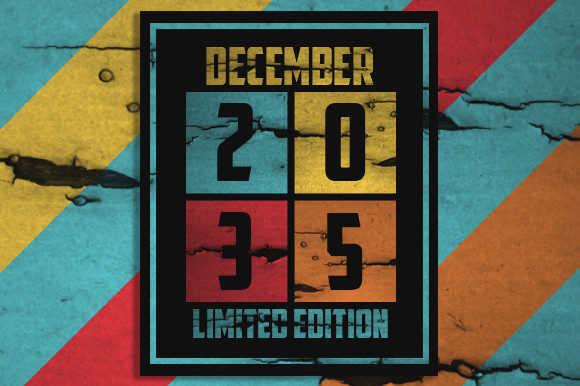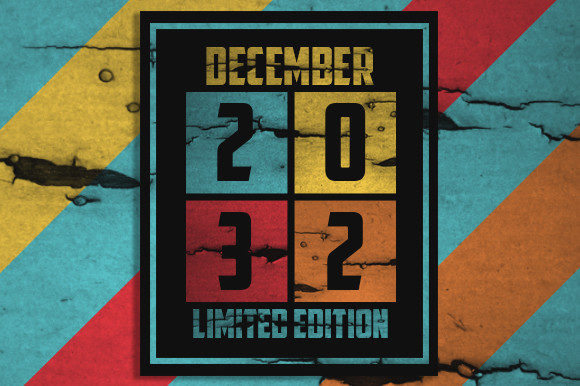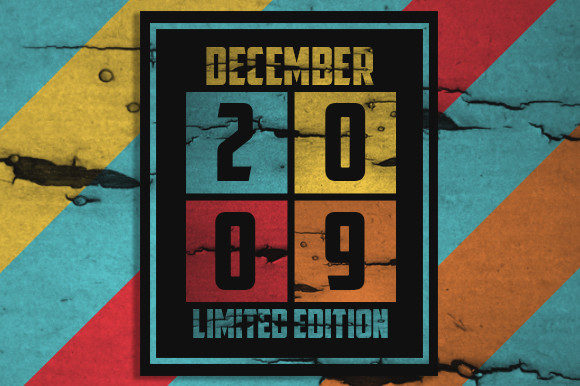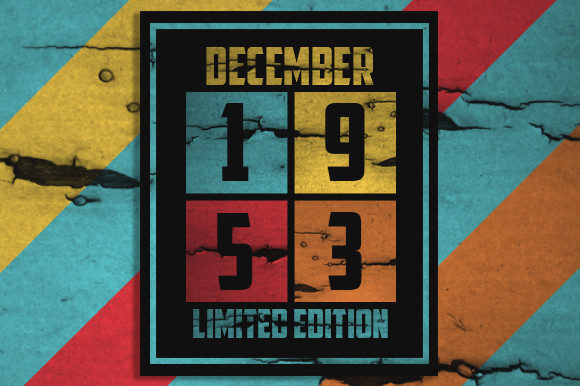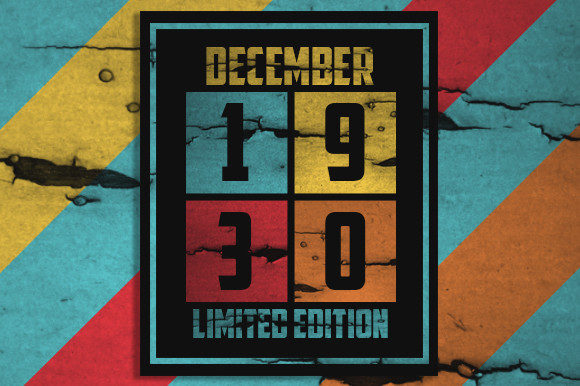
Retro December 1930 Limited Edition
As a designer and embroidery product reviewer, I’ve seen my fair share of digital files that promise a lot but deliver little. The Retro December 1930 Limited Edition is one that caught my eye for its nostalgic aesthetic and potential in real-world projects. But before jumping into using it in client work or selling it as a finished product, I wanted to take a closer look at how it performs in practice.
The First Impression: A Nostalgic Design with Character
The Retro December 1930 Limited Edition immediately evokes a sense of vintage charm. The design feels like it belongs in a bygone era—think Art Deco elements, bold typography, and a warm, handcrafted feel. It’s not overly complex, but the layout is well-balanced, with enough detail to make it visually engaging without overwhelming the eye.
The high-resolution PNG file offers clarity, which is essential for translating digital art into machine embroidery. The transparent background makes it easy to visualize how the design would look on different fabrics and colors. However, since this is a digital download only, there are no physical samples to test against, so I had to rely on mockups and personal testing.
Real-World Embroidery Use Cases
This design has a natural fit for custom apparel, especially items like tote bags, sweatshirts, and aprons. The scale and shape of the design make it ideal for larger surfaces where it can stand out without feeling cramped. It also works well for baby items, such as onesies or blankets, where a soft, elegant look is desired.
For small business owners and Etsy sellers, the Retro December 1930 Limited Edition could be a great addition to a holiday collection. It has the potential to appeal to customers looking for handmade gifts or personalized products. The design’s retro theme makes it versatile enough for both casual and more formal occasions.
It also fits well into boutique branding, where consistency and visual identity are key. Whether used as a logo or a decorative element, the design maintains a cohesive look that can reinforce brand recognition.
Where to Be Careful: Limitations and Considerations
While the Retro December 1930 Limited Edition is visually appealing, there are some limitations to keep in mind. For instance, if you’re working with small hoop sizes, the design might be too large to fit comfortably. This could lead to stitching issues or the need for multiple hooping sessions, which can be time-consuming.
On textured or stretchy fabrics, the design may not sit as smoothly as on a flat, stable surface. Thin or dark fabrics could also pose challenges, particularly if the thread color doesn’t contrast well. It’s important to test the design on scrap fabric before committing to a final project.
The design includes intricate details and dense stitch areas, which means it may require a bit more attention during the embroidery process. If you’re planning to use it for commercial embroidery, make sure your machine can handle the stitch density and that you’re using the right stabilizer to prevent puckering or distortion.
Impact on Visual Appeal and Customer Perception
When properly executed, the Retro December 1930 Limited Edition adds a touch of elegance and personality to any project. It can elevate the visual appeal of a handmade product, making it more desirable to customers. The design’s clean lines and classic style help build trust, as it conveys professionalism and attention to detail.
For craft businesses and Etsy sellers, the design can enhance the value of a product, especially when used in gift items or holiday merchandise. Its nostalgic feel makes it highly giftable, and the ability to customize it for different fabrics or colors can increase buyer engagement.
However, if the design isn’t executed well—whether due to poor stitching, incorrect thread color, or improper placement—it could have the opposite effect. That’s why it’s crucial to test the design thoroughly and ensure it meets the standards of your brand or client expectations.
Practical Designer Notes: What to Check Before Using
Before using the Retro December 1930 Limited Edition in your next project, here are a few practical steps to consider:
- Test on scrap fabric: Always start with a sample to see how the design looks and stitches on your chosen material.
- Check thread color contrast: Ensure the thread color complements the fabric and highlights the design’s details.
- Review stitch density: Make sure the design isn’t too dense, which could cause bulkiness or distortion.
- Confirm hoop size: Verify that the design fits within your hoop dimensions to avoid complications during stitching.
- Inspect small details: Look closely at corners, lettering, and decorative elements to ensure they’ll translate well in embroidery.
- Test in black and white mockups: This helps identify any issues with contrast or visibility.
- Compare light and dark backgrounds: See how the design appears on different fabric colors to choose the best option.
- Use proper stabilizer: This prevents puckering and ensures a smooth finish, especially on delicate or stretchy fabrics.
- Check licensing: Confirm that the design is suitable for both personal and commercial use before selling finished items or digital products.
Final Thoughts: A Design with Potential
The Retro December 1930 Limited Edition is a design that has the potential to shine in the right context. Its nostalgic appeal, clean layout, and versatility make it a strong choice for custom apparel, holiday gifts, and boutique products. However, like any embroidery file, it requires careful consideration and testing to ensure it meets your project’s needs.
For designers, small business owners, and crafters, this file could be a valuable addition to your design assets—if used thoughtfully. Whether you’re creating a personalized gift, a handmade product, or a commercial embroidery project, the Retro December 1930 Limited Edition is worth exploring, provided you take the time to understand its strengths and limitations.